 ข้ามไปที่เนื้อหา
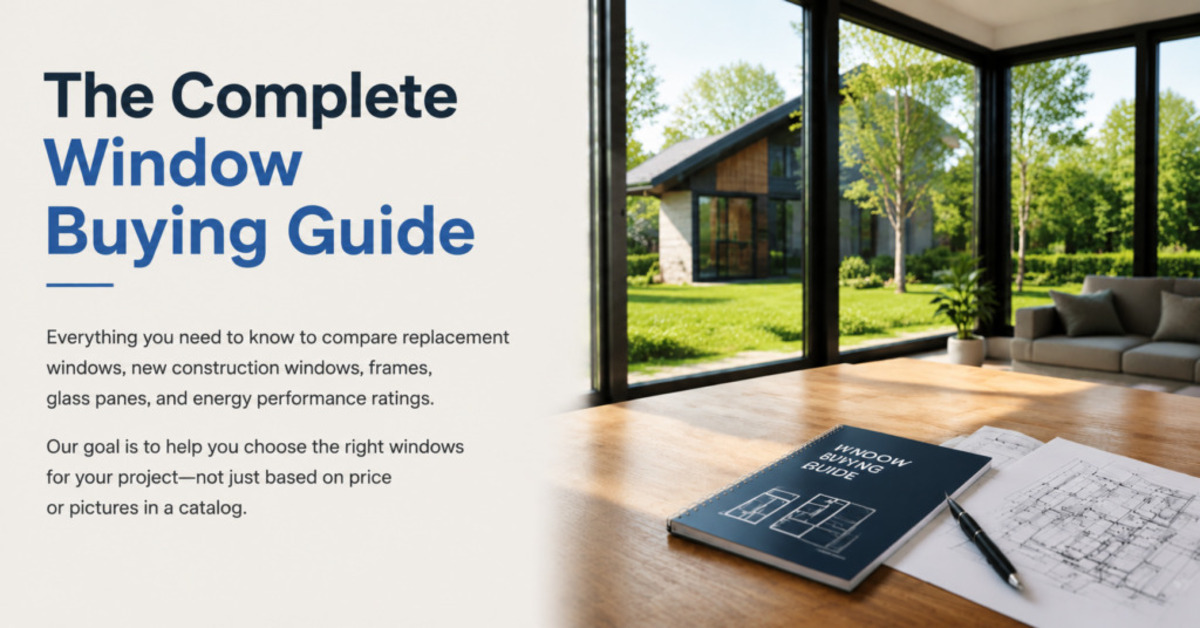
Buying windows is not only about choosing a style that looks good. The right windows affect comfort, energy efficiency, air leakage, safety, maintenance, installation costs, and long-term project value. For homeowners, the decision often starts with comfort, noise reduction, appearance, and budget. For builders, contractors, importers, and wholesalers, the decision also includes specifications, drawings, performance ratings, packaging, and delivery coordination.
This windows buying guide explains how to compare replacement windows, new construction windows, window frames, glass panes, and energy performance terms such as ปัจจัย U, Solar Heat Gain Coefficient, visible transmittance, and condensation resistance. The goal is to help you choose windows based on the actual project conditions, not only on price or a catalog photo.
Common Problem: Buying Windows Without Clear Performance Targets

The most common problem is choosing new windows before defining the project goal. A window that works for a mild inland climate may not be ideal for coastal wind, heavy rain, high humidity, cold winters, or strong afternoon sun. Before comparing brands or windows cost, buyers should first define comfort, energy performance, opening style, frame material, and installation method.
Many homeowners start by asking for the best window, but there is no single best option for every house. A contractor may need energy efficient windows that fit an existing window opening. An importer may need multiple lines for different budgets. A builder may need construction windows with shop drawings and consistent rough opening details.
Problems usually appear when buyers compare only the visible product, not the specification. Two windows may look similar but perform differently because of glass thickness, โลว์-อี coating, argon gas fill, weather sealing, thermal breaks, hardware, or frame design. The result can be higher heat loss, poor airtight seal, water leakage, condensation, or unexpected installation costs.
Why Window Performance, Air Leakage, and SHGC Are Often Misunderstood
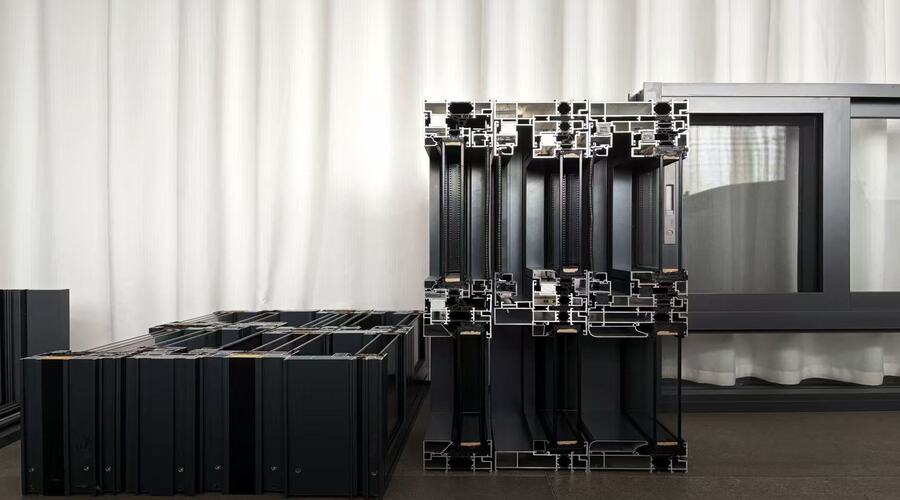
Window performance is often misunderstood because the key ratings are technical but directly affect comfort. U-factor measures how well a window reduces heat transfer. Lower values generally mean better insulation. The National Fenestration Rating Council commonly rates U-factor within a range of about 0.20 to 1.20, depending on the product type and test conditions.
The Solar Heat Gain Coefficient, often written as SHGC, measures how much of the sun’s heat passes through the window. The heat gain coefficient SHGC ranges from 0 to 1. A lower SHGC can help reduce heat inside the home in hot climates, while a higher SHGC may be useful in colder regions where winter solar heat is beneficial.
Other terms also matter:
- Air leakage shows how much air can pass through the window assembly.
- Visible transmittance shows how much daylight the window lets in.
- Condensation resistance helps compare how well the window resists interior condensation.
- Low-E glass helps reduce UV light and radiant heat transfer.
- Double pane windows and triple pane windows improve insulation compared with single pane windows.
Energy Star certified windows are rated for specific climate zones. Buyers should read the Energy Star label and the fine print instead of assuming one rating works everywhere.
Solution Options: Replacement Windows, New Construction Windows, and Frame Choices

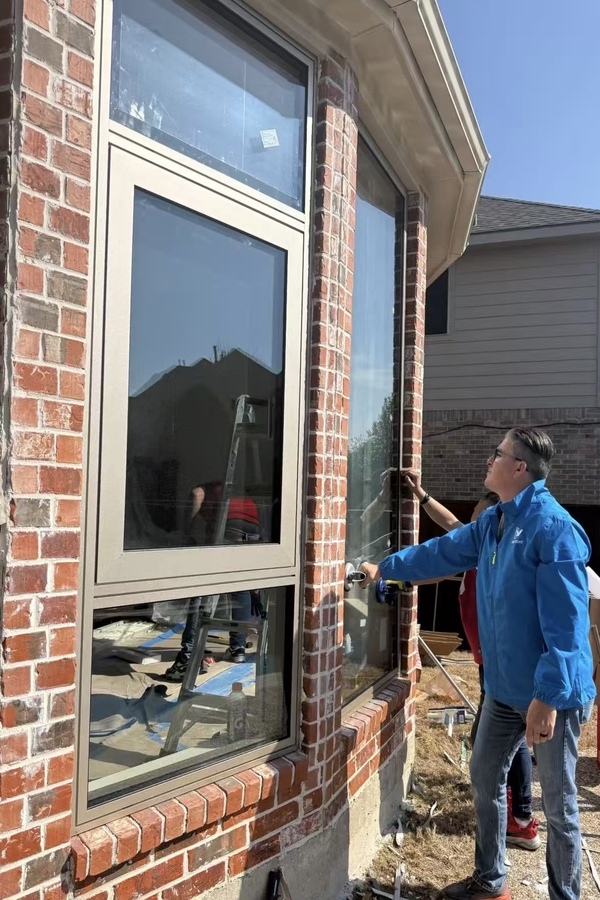
The right solution depends on whether the project is new construction, full frame replacement, or retrofit installation. New construction windows usually have flanges or fins designed for installation into a framed wall before exterior finishing. Replacement windows are commonly made to fit an existing window opening, often without removing siding.
Full frame replacement removes the old window frame and surrounding materials more completely. It can solve hidden damage, poor insulation, and old frame problems, but it usually costs more. Retrofit installation keeps the existing frame and replaces the operating unit, which can save time when the existing frame is sound.
Window styles should match ventilation, view, cleaning, and safety needs:
- Double hung windows are common in many homes and allow both sashes to move.
- Single hung windows have one movable sash and one fixed sash.
- Casement windows are hinged on one side and open outward.
- Awning windows are hinged at the top and open outward.
- Fixed windows do not open and are often used for wide views or accent windows.
- Storm windows add protection in areas with severe weather exposure.
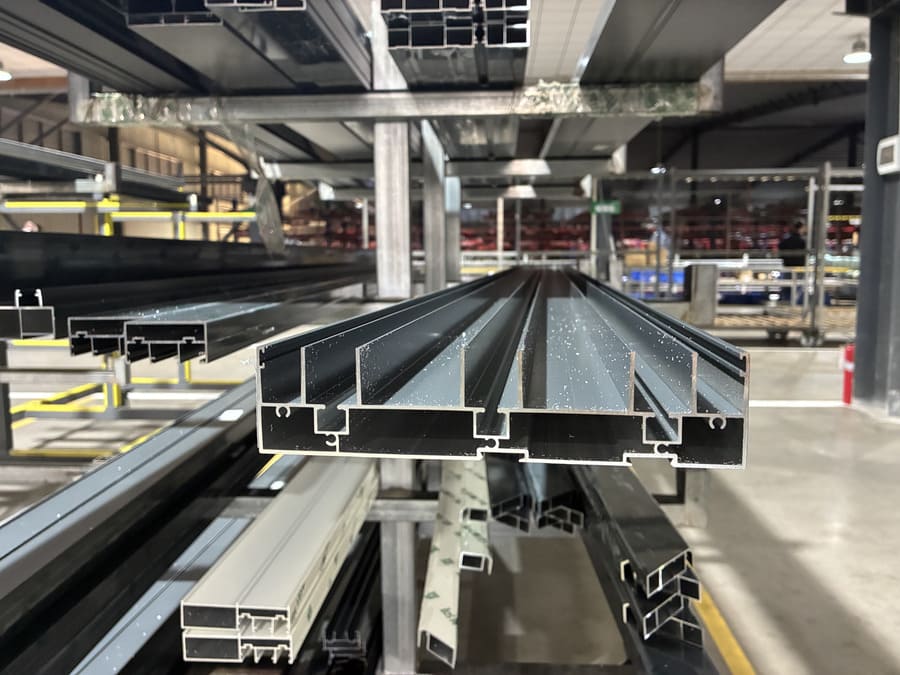
Frame material also changes cost and maintenance. Vinyl windows are often among the least expensive and are virtually maintenance free, but vinyl can become brittle in very cold outdoor temperatures. Wood windows offer a traditional appearance but are typically more expensive and require more maintenance. Fiberglass frames provide strength and durability. หน้าต่างอลูมิเนียม can be strong, slim, and suitable for large openings, especially when thermal break systems are used to reduce heat transfer.
How To Choose Energy Efficient Windows for Your Project
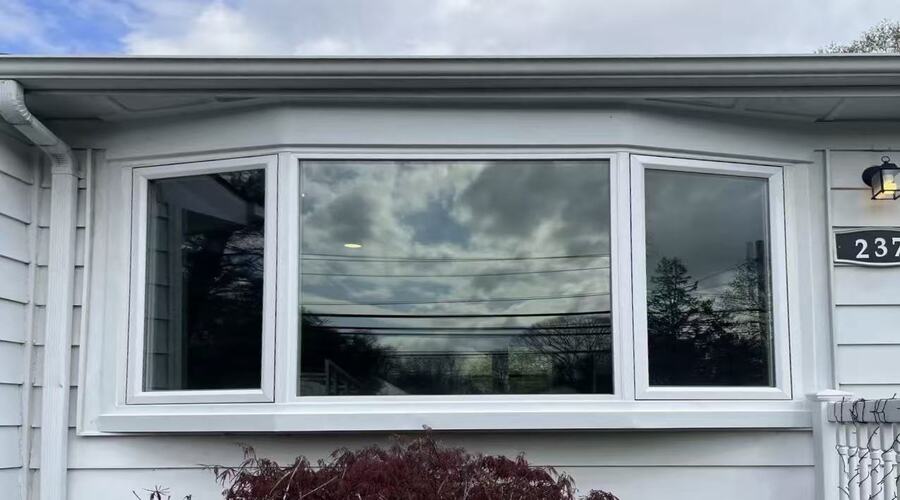
Choose energy efficient windows by matching the frame material, glass system, and rating values to the climate and building use. In the United States, check เอ็นเอฟอาร์ซี ratings and Energy Star program requirements. For hot regions, SHGC and Low-E glass are important. For cold regions, U-factor, gas fill, and airtight seal usually become higher priorities.
Glass selection has a major impact on energy savings and comfort. Double pane windows are common for residential use. Triple glazed windows or หน้าต่างกระจกสามชั้น can improve insulation and noise reduction, but they add weight and cost. Tempered glass may be required for safety areas, doors, bathrooms, stairways, or locations close to the floor, depending on local rules.
For different markets, buyers should adjust specifications instead of using one standard everywhere. Canada may require stronger insulation performance. Southeast Asia may prioritize heavy rain protection, humidity resistance, and tropical climate design. Coastal markets may need corrosion-resistant hardware and durable powder coating. Australia may require AS2047 or AS2208 options when specified by the project. Africa and South America may need heat, dust, rain, and logistics considerations.
A practical selection method is to compare windows in this order:
- Confirm the window opening, rough opening, or existing frame condition.
- Choose window styles based on ventilation and design.
- Select frame material and finish.
- Compare glass panes, Low-E coating, and argon gas options.
- Review U-factor, SHGC, air leakage, and water tightness.
- Confirm installation method and installer warranty.
- Read product warranty terms before ordering.
All measurements and rating targets should be treated as planning references only. Final dimensions depend on the selected frame kit, hardware, wall condition, installation method, and local project requirements.
Buyer Checklist for Installing Windows and Comparing Quotes
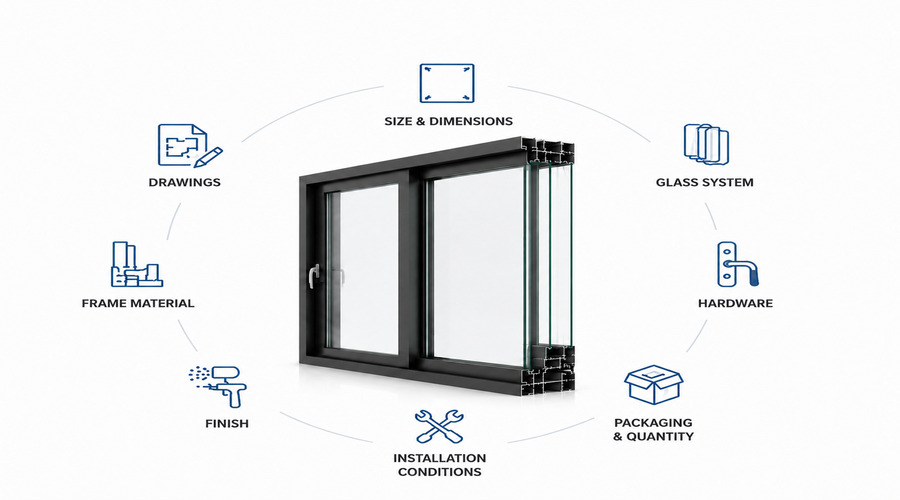
A reliable quote should be based on dimensions, drawings, materials, glass, hardware, performance needs, and installation conditions. If buyers only ask for a price per window, the comparison may be inaccurate because replacement windows cost depends on product size, frame type, glass system, finish, hardware, packaging, and project quantity.
Use this checklist before buying windows:
- Window schedule with width, height, quantity, and room location
- New construction, full frame replacement, or retrofit installation method
- Rough opening size or existing window frame size
- Preferred window styles, such as double hung, casement, awning, fixed, or accent windows
- Frame material, such as vinyl, aluminum, wood, composite, or fiberglass
- Glass type, including double pane, triple pane, Low-E, laminated, or tempered glass
- Energy performance targets, including U-factor, SHGC, air leakage, and visible transmittance
- Finish requirements, grille patterns, screen options, and hardware color
- Local climate conditions, such as coastal exposure, strong sun, heavy rain, or cold weather
- Packaging, labeling, delivery planning, and site coordination needs
- Warranty coverage for glass, frame, hardware, and installation
Warranties vary widely. Some products may offer limited lifetime coverage, while other components may be covered for 5, 10, or 20 years. Always read the fine print and confirm whether the warranty covers glass, non-glass components, finish, hardware, labor, and installation.
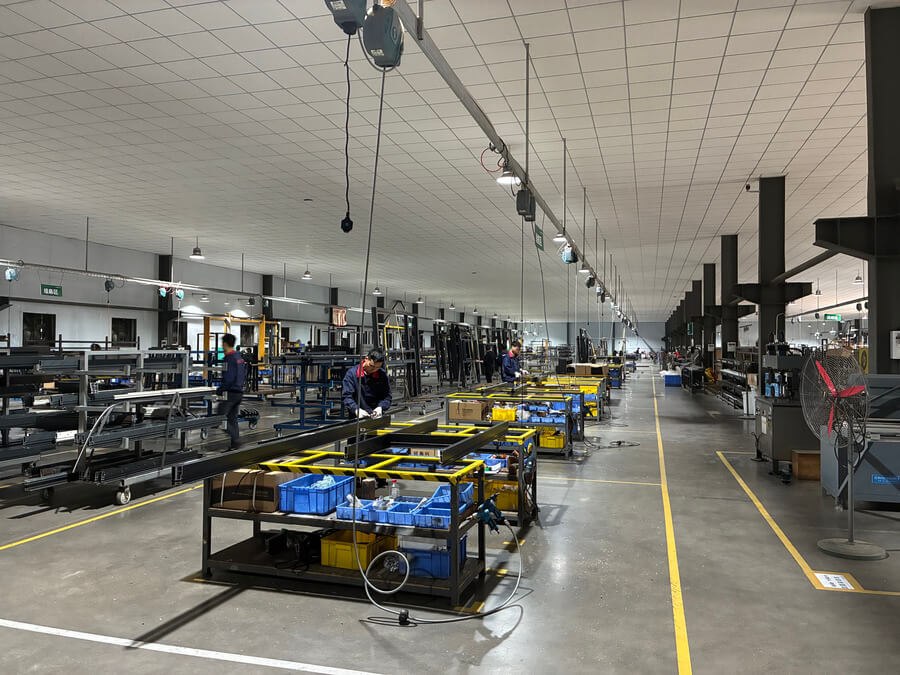
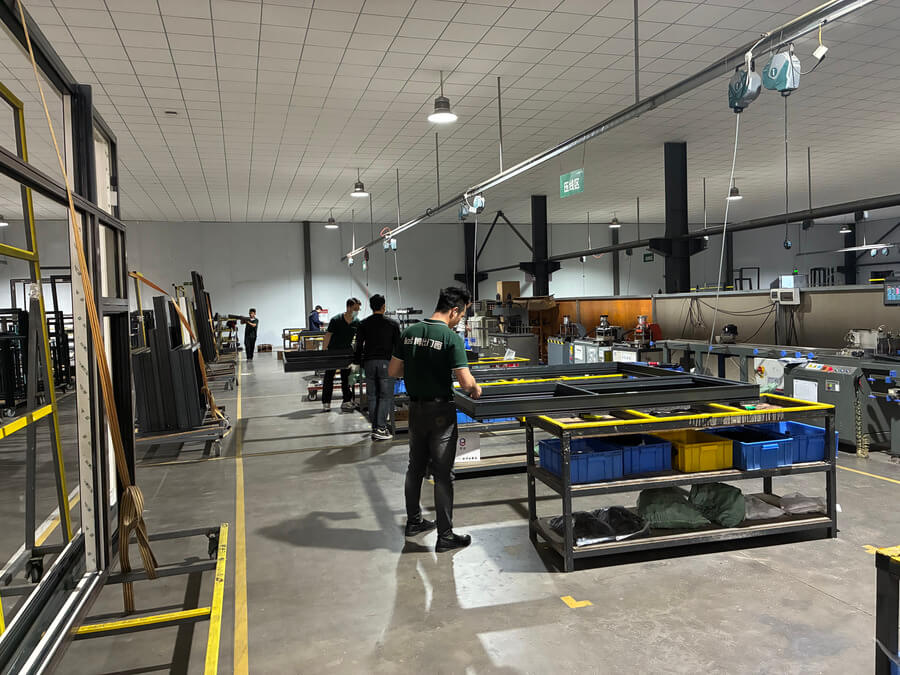
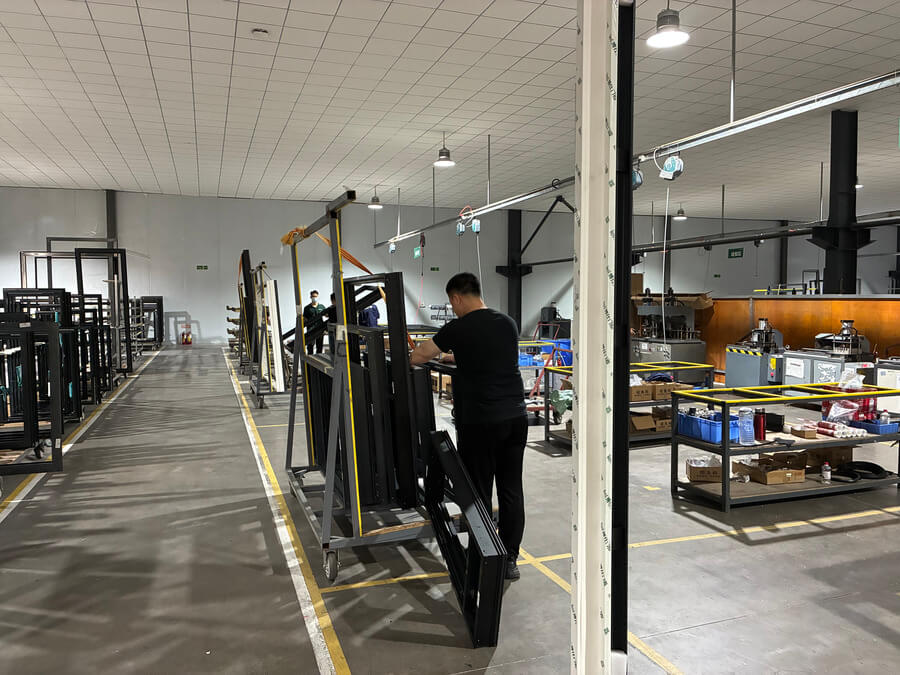
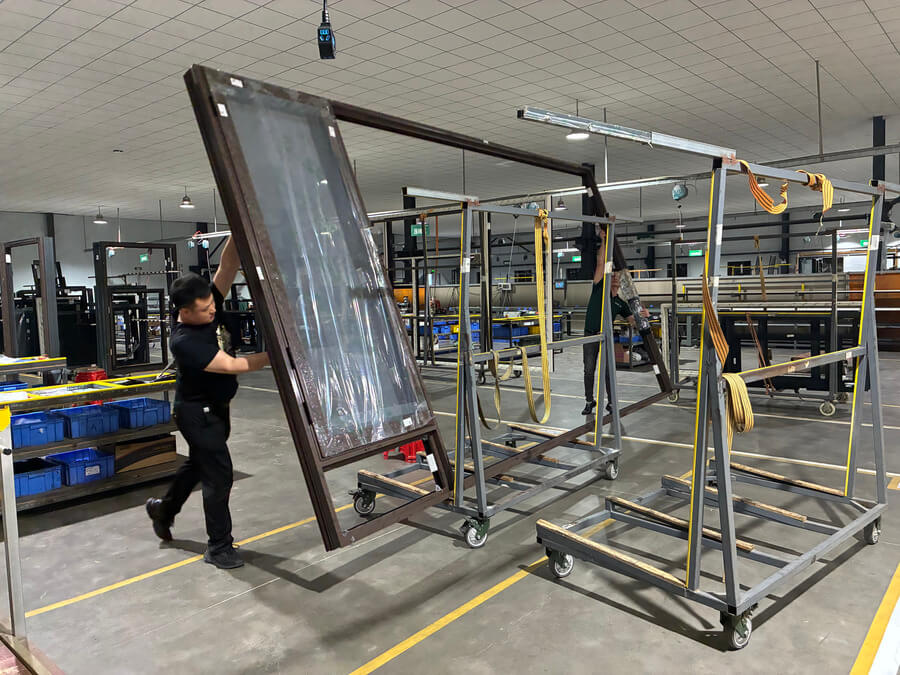
Factory / Procurement Note for Overseas Window Buyers
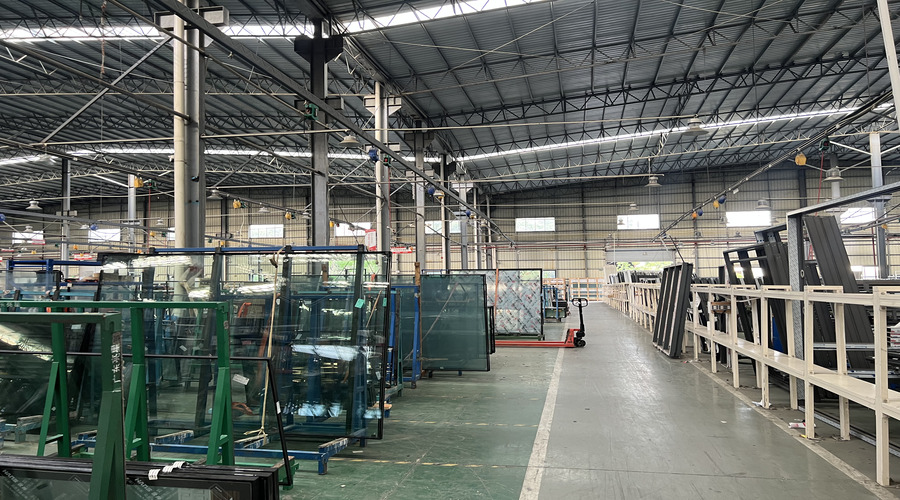
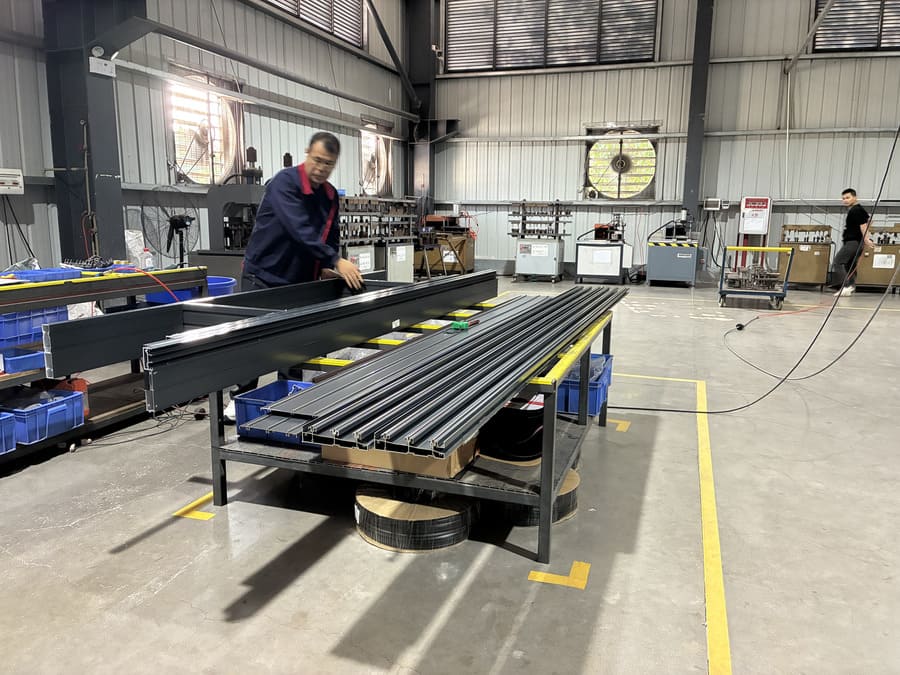
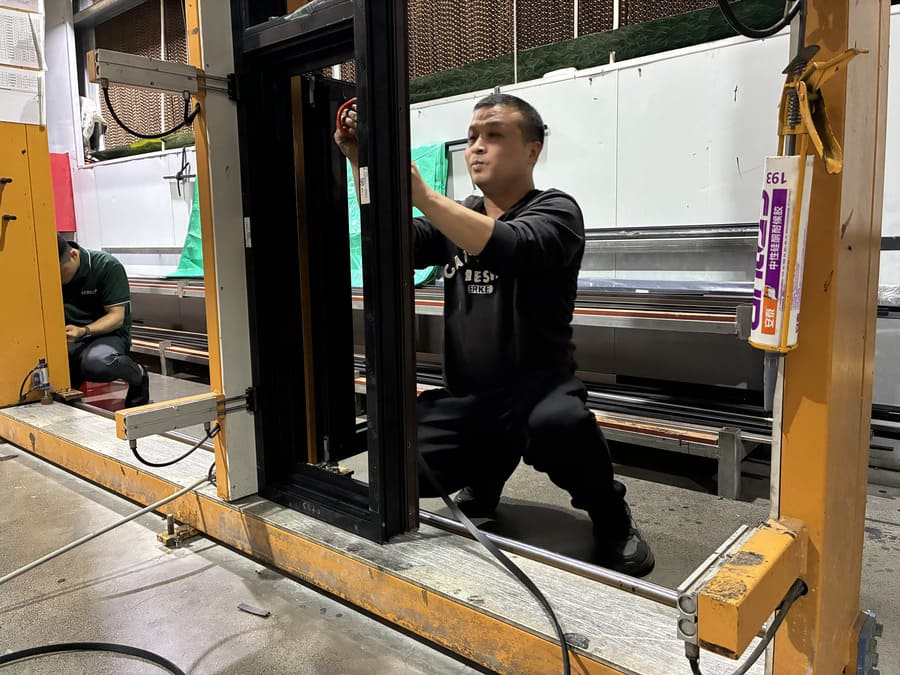
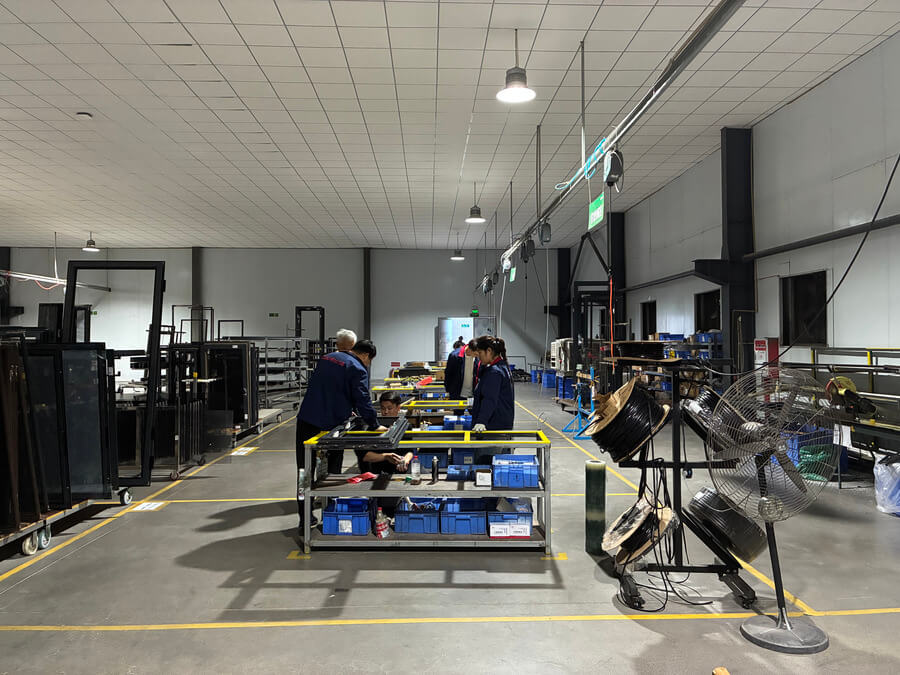
Overseas buyers should prepare project information before asking a factory for pricing. Accurate drawings and window schedules help reduce errors, quotation revisions, and production delays. For contractors and importers, it is better to confirm specifications before negotiating final price because small changes in glass, frame depth, hardware, or packaging can change the cost.
A factory quotation request should include:
- Project country and climate conditions
- Window schedule, drawings, or elevation plans
- Opening sizes and required measurement unit
- Quantity by size and style
- Frame system preference, such as thermal break aluminum or another material
- Glass configuration, Low-E option, gas fill, and safety glass needs
- Finish color, powder coating requirement, grille patterns, and screen details
- Hardware type, lock requirements, and opening direction
- Performance references, such as NFRC, AAMA, CSA, or AS2047 options when relevant
- Packaging, labeling, shipping marks, and container loading requirements
This information allows the supplier to review feasibility, prepare shop drawing support, and align the window specification with the project goal.
คำถามที่พบบ่อย
Are Replacement Windows Different From New Construction Windows?
Yes. Replacement windows are usually designed to fit into an existing window opening, often without removing exterior siding. New construction windows usually include flanges for installation into a framed wall before exterior finishes are completed. Full frame replacement removes more of the old window system, while retrofit installation keeps the existing frame when it is still in good condition.
Are Triple Pane Windows Always Better Than Double Pane Windows?
Triple pane windows usually provide better insulation and noise reduction than double pane windows, but they are not always the best choice. They cost more, weigh more, and may not be necessary in every climate. For many projects, a well-designed double pane window with Low-E glass, argon gas, and good weather sealing can provide strong performance.
What Window Frame Material Should I Choose?
Choose the frame material based on budget, climate, maintenance, and design. Vinyl is often low maintenance and cost-effective. Wood offers a traditional appearance but needs more care. Fiberglass provides strength and durability. Aluminum windows are strong and slim, and thermal breaks can improve energy efficiency by reducing heat transfer through the frame.
บทสรุป

The best windows are selected by matching the opening condition, climate, energy rating, frame material, glass system, installation method, and warranty terms. For homeowners, this means better comfort and lower maintenance. For builders, contractors, importers, and wholesalers, it means fewer project errors and clearer procurement control. For custom windows, thermal break aluminum systems, or project-based quotation support, contact Boswindor and send your drawings or window schedule for a customized quotation.




 English
  German
  Italian
  Japanese
  Spanish
  Portuguese
  French
  Russian
  Latvian
  Hungarian
  Chinese
  Korean
  Malayalam
  Indonesian
  Thai
Thai