 跳过内容
跳过内容
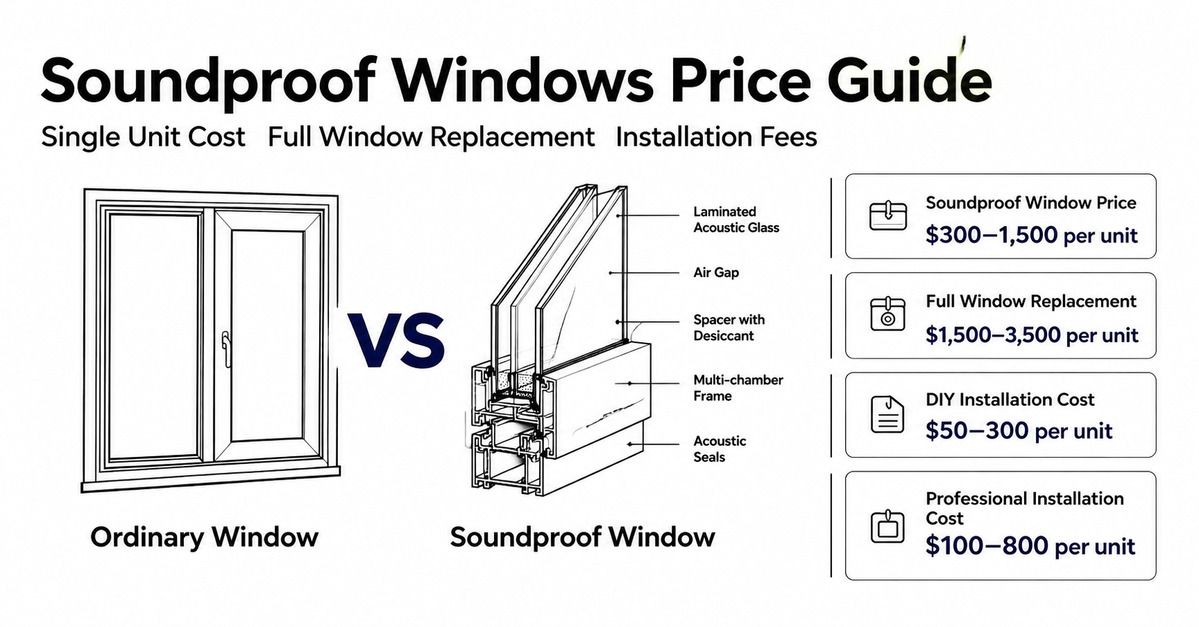
A $350 interior insert and a $3,500 replacement can both be called a soundproof window. They are not equivalent products. One adds a sealed layer to existing windows. The other replaces the glass, frame, seals, and operating hardware.
Soundproof windows cost about $300 to $1,500 per window for many residential applications. High-performance full window replacement can cost $1,500 to $3,500 or more. DIY treatments may cost $50 to $300, while professional installation can add $100 to $800 per opening.
The right budget depends on the noise source, window condition, glass configuration, frame, installation, and required acoustic performance. These prices are planning references in US dollars, not fixed global quotations.
Who This Guide Is For
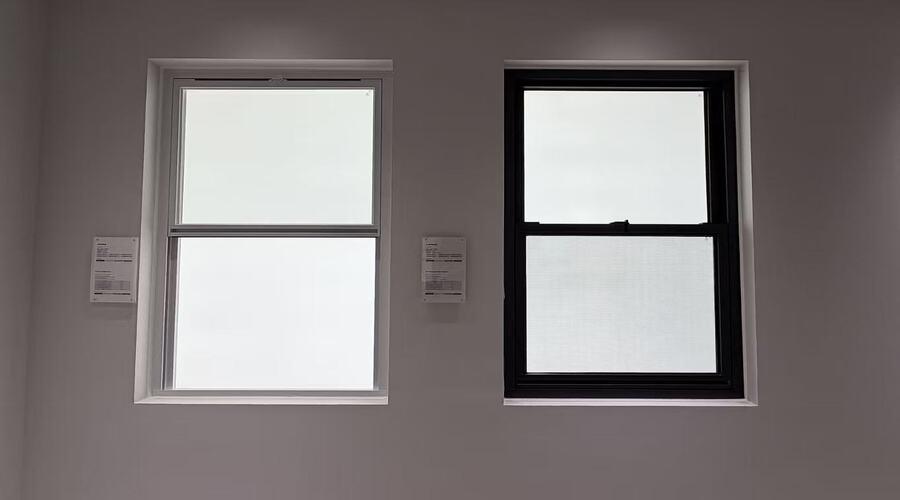
This guide is for buyers who need less traffic noise, aircraft sound, construction activity, voices, or other outside noise inside a building. It covers homeowners improving bedrooms, developers planning apartments or hotels, contractors writing specifications, and importers comparing custom window systems.
The goal is not to buy the thickest glass available. It is to identify how sound enters the room, define a realistic reduction target, and choose the lowest-cost assembly that can meet it.
What Buyers Should Know About Soundproof Windows Cost
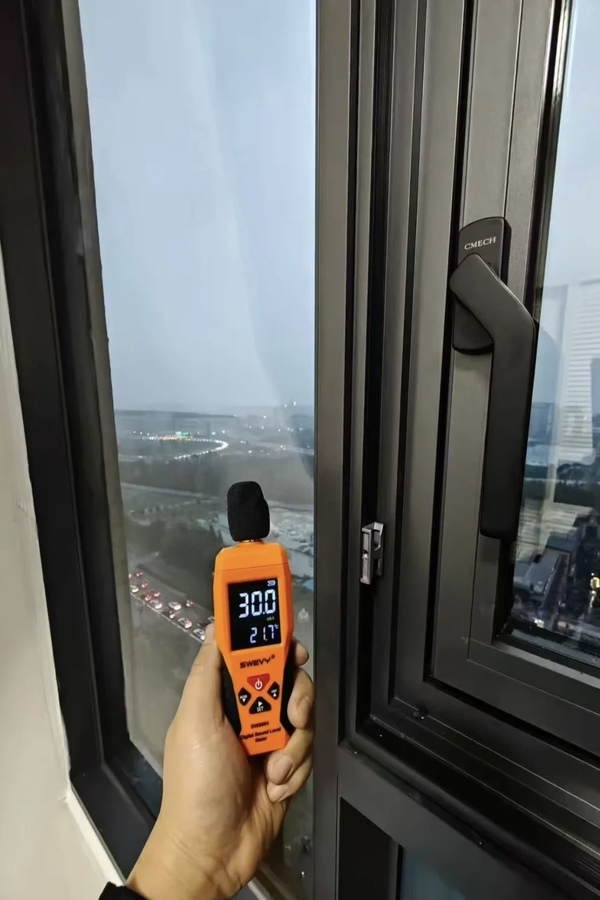

Soundproofing performance depends on the complete opening, not only the glass. Noise can pass through glass panes, window frames, worn seals, vents, and small gaps between the frame and wall. Expensive laminated glass will underperform if the perimeter installation leaks air.
No residential window creates complete silence. “Soundproof windows” is a common market term for noise reduction windows designed to reduce sound transmission.
Two ratings help buyers compare tested products:
- STC: Sound Transmission Class focuses mainly on speech and middle to higher frequencies.
- OITC: Outdoor-Indoor Transmission Class gives more weight to lower-frequency exterior noise, such as traffic, trains, and aircraft
A higher rating generally indicates better laboratory performance. An STC rating of 48 to 54 can represent strong sound isolation, but the field result also depends on walls, doors, ventilation, room layout, and installation.
Claims of 75% to 95% noise reduction are not universal guarantees. The result changes with the starting window, test method, sound frequency, and facade construction. Ask for STC or OITC data for the proposed assembly.
Key Factors to Compare
Glass type, airspace, frame material, window size, operation, and sealing determine the final cost. Compare the tested assembly rather than choosing a product because it has three panes or thicker glass.
Glass Thickness and Laminated Glass
Thicker glass adds mass, which can improve resistance to sound transmission. Laminated glass adds a thin interlayer between glass layers. This construction can improve acoustic performance and provide added protection if the glass breaks.
Using panes with different thicknesses can control a wider frequency range. Identical panes tend to respond similarly to the same frequencies, while an asymmetric glass package reduces that overlap.
Triple pane windows do not automatically provide better sound reduction than a well-designed double pane system. Pane thickness, lamination, spacing, seals, and frame performance matter more than pane count alone.
Wider Air Gaps and Secondary Glazing
A wider air gap can improve acoustic separation. This is why an interior insert or secondary glazing system may outperform a standard insulated glass unit, even when both use two layers.
The existing window must be stable, dry, and reasonably airtight. The opening also needs enough interior depth for the additional layer. Buyers should check access to handles, blinds, cleaning surfaces, and ventilation before approving an insert.
Frame Material and Window Operation
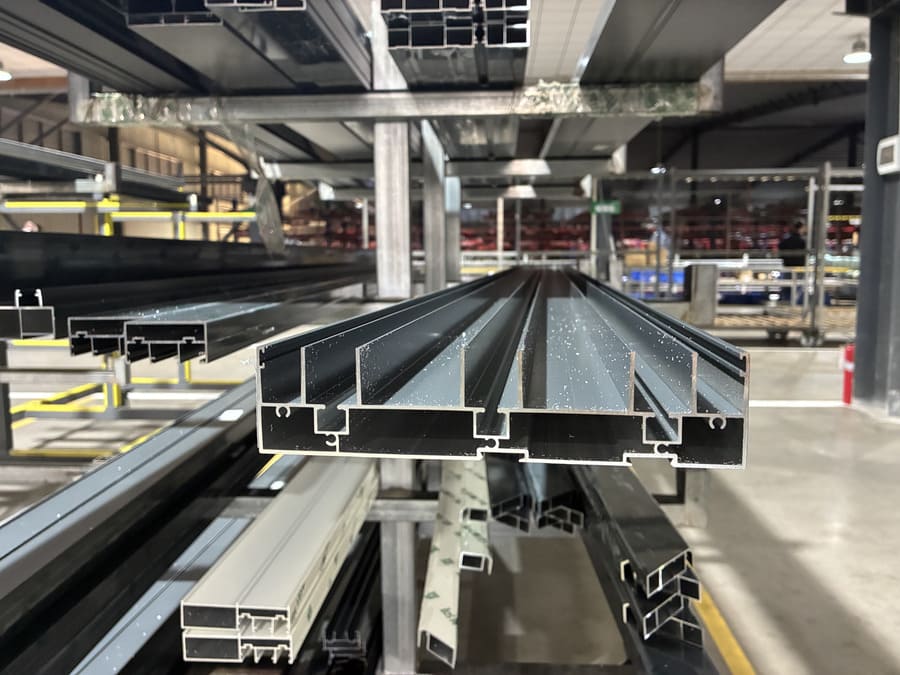
Vinyl, fiberglass, wood, and thermally broken aluminum frames can all support effective noise reduction. The quality of the seals and joints is more important than the material name alone.
Fixed windows are easier to seal because they have no moving sash. Casement windows can compress tightly against their seals. Sliding and hung windows have more joints where small gaps may develop.
Larger windows, unusual shapes, premium finishes, and custom-made frames increase material, engineering, handling, and installation costs.
Professional Installation
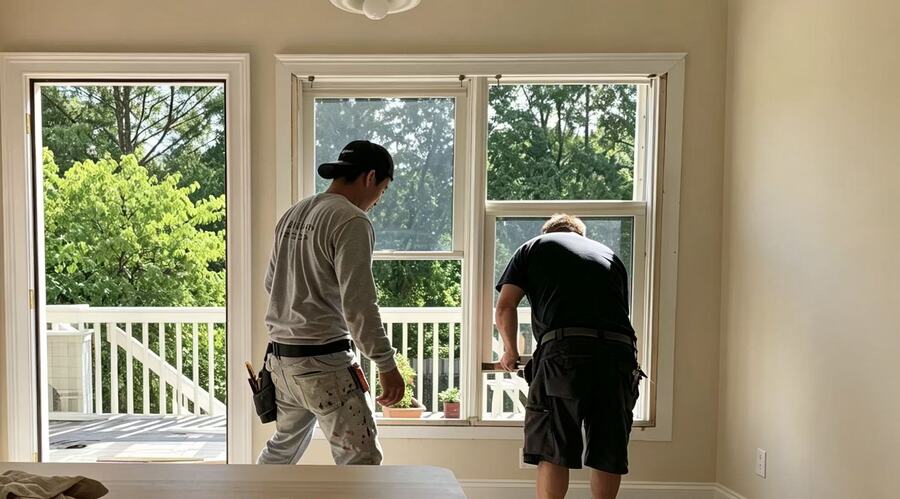
Proper installation is critical because sound follows air leakage paths. The installer must level and fasten the frame without distortion, insulate the perimeter, and create continuous interior and exterior seals.
Professional installation may cost $100 to $800 per window. Upper floors, restricted access, damaged openings, exterior cladding repairs, and heavy glass can increase labor. A soundproof window installer should understand both standard weather sealing and acoustic leakage control.
Product Options by Project Type
Start with the condition of the existing windows. A sound frame may only need better seals or an insert. A damaged, leaking, or poorly fitted frame usually justifies full replacement.
| Soundproofing Option | Broad Cost per Window | Suitable Project | Main Tradeoff |
|---|---|---|---|
| Weatherstripping, curtains, or plugs | $50-$300 | Rental rooms and minor noise problems | Limited low-frequency performance |
| Basic interior window insert | $250-$500 | Serviceable existing windows | Uses interior frame depth |
| Custom acoustic insert | $400-$1,200 | Bedrooms, offices, and busy roads | Depends on the existing frame |
| Secondary glazing | Varies by market | Renovations needing a wide air gap | Requires space and installation planning |
| Full acoustic replacement | $1,500-$3,500+ | Failed windows, new construction, severe noise | Highest initial cost |
Existing Windows and DIY Methods
The lowest-cost first step is to find air leaks around the sash and frame. New weatherstripping or sealant may reduce noise coming through small gaps.
Soundproof curtains absorb some sound inside the room and may soften higher frequencies. They do not change the acoustic rating of the window. Removable plugs can block more sound but also block natural light, ventilation, and access to the window.
Soundproof Window Inserts
An interior insert adds a second sealed layer without removing the existing window. Basic inserts may cost $250 to $500, while larger or higher-performance products cost more.
Inserts are often the most affordable option for soundproofing existing windows. They can also reduce installation disruption. However, they cannot repair a rotted frame, failed exterior seal, or water leakage problem.
Full Window Replacement
Full replacement is appropriate when old windows leak, operate poorly, or cannot support the required acoustic target. A replacement system can combine laminated glass, multiple panes, unequal thicknesses, improved seals, and a new frame.
Soundproof window replacements typically cost $1,500 to $3,500 or more per opening. Large custom units and demanding acoustic specifications can exceed this range.
Replacement may also improve insulation and energy efficiency. Lower energy bills or increased property value are possible benefits, not guaranteed outcomes.
Specification, Quotation, and Common Mistakes
A supplier cannot prepare a meaningful acoustic quotation from width, height, and quantity alone. The request should define the noise problem, window configuration, installation scope, and performance target.
Provide or request:
- Window schedule with opening references and quantities
- Frame size and rough opening dimensions
- Photographs of existing windows and wall conditions
- Main noise source, direction, frequency, and operating hours
- Required STC or OITC rating when available
- Glass thickness, laminated layers, pane arrangement, and airspace
- Fixed, casement, sliding, or hung window operation
- Frame material, finish, hardware, and screen requirements
- Perimeter insulation and sealing method
- Professional installation and finishing responsibilities
- Packaging, labeling, freight, duties, and delivery terms
- Thermal, structural, air, water, or market requirements
A common mistake is choosing triple pane glass without reviewing the complete acoustic build. Other mistakes include ignoring traffic rumble, retaining a damaged existing frame, and comparing a product-only price with an installed price.
Do not assume the window is the only weak point. Doors, wall penetrations, ventilation openings, and lightweight facade sections can limit the room’s total sound reduction.
Factory and Procurement Note
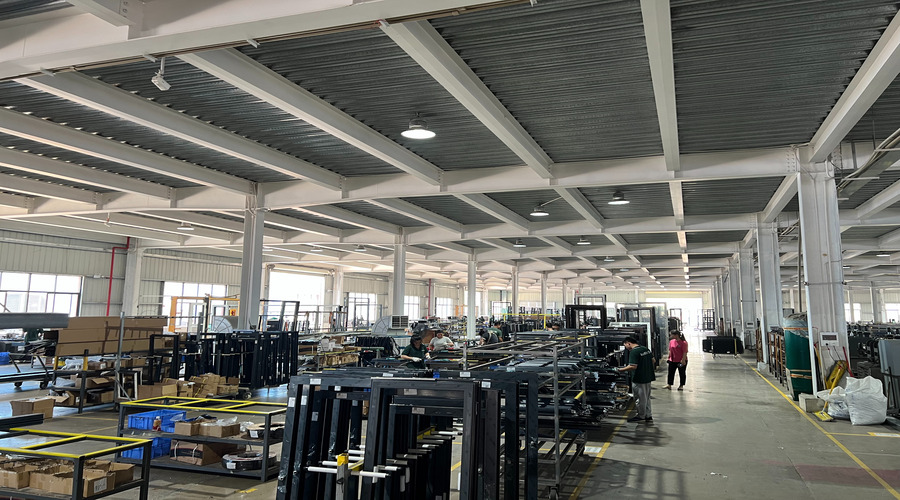
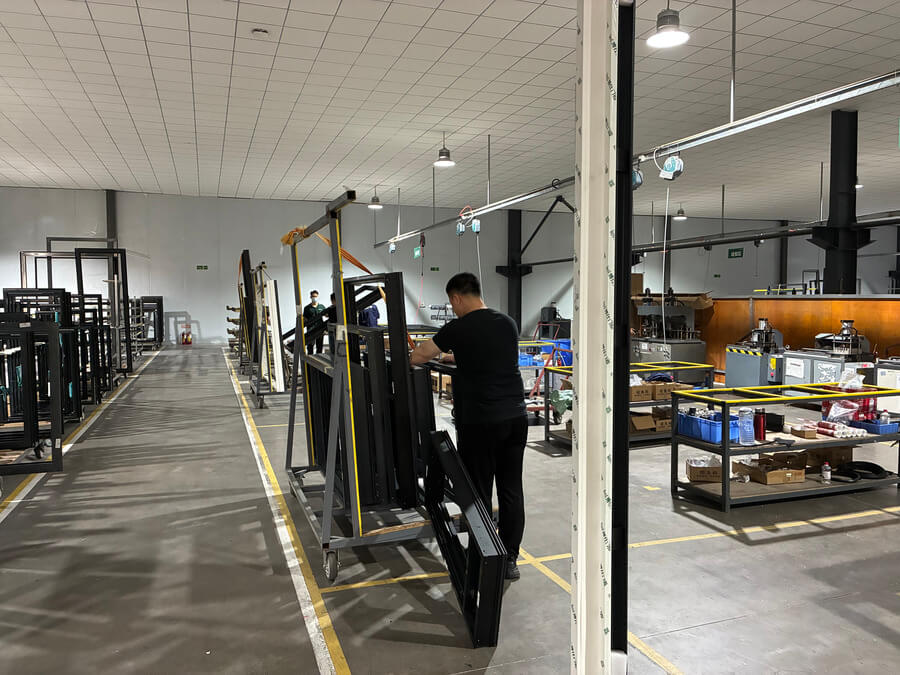
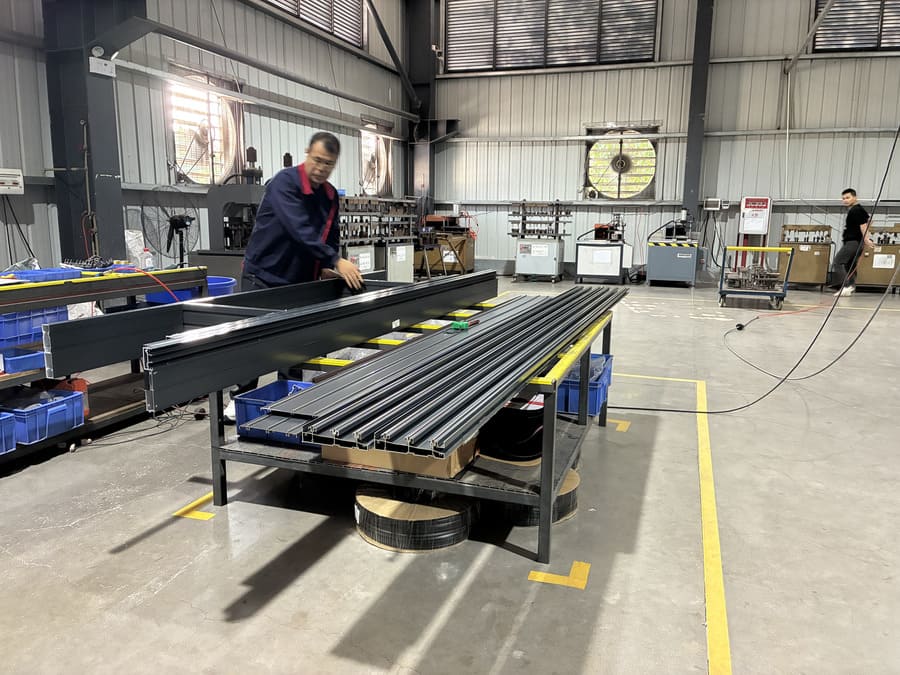
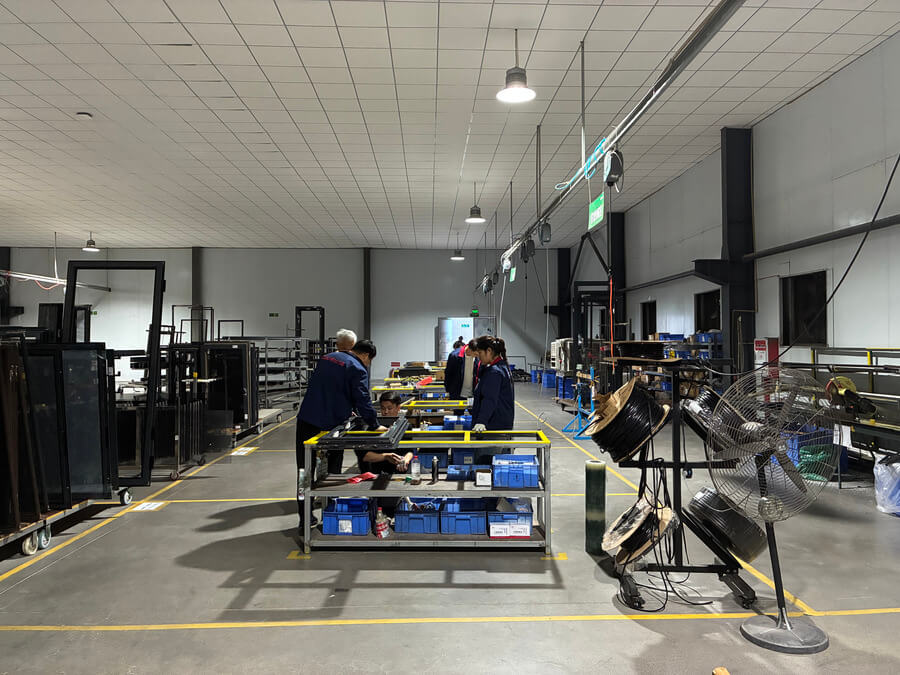
For custom noise reduction windows, submit plans, elevations, window schedules, and room references. State whether the project uses new construction, secondary glazing, or full replacement. Include quantities, frame finish, hardware, packaging, labels, delivery destination, and installation responsibilities.
All measurements are planning references until the selected frame kit, glass, hardware, wall construction, and site conditions are confirmed. Final dimensions require coordination between the supplier, contractor, and installer.
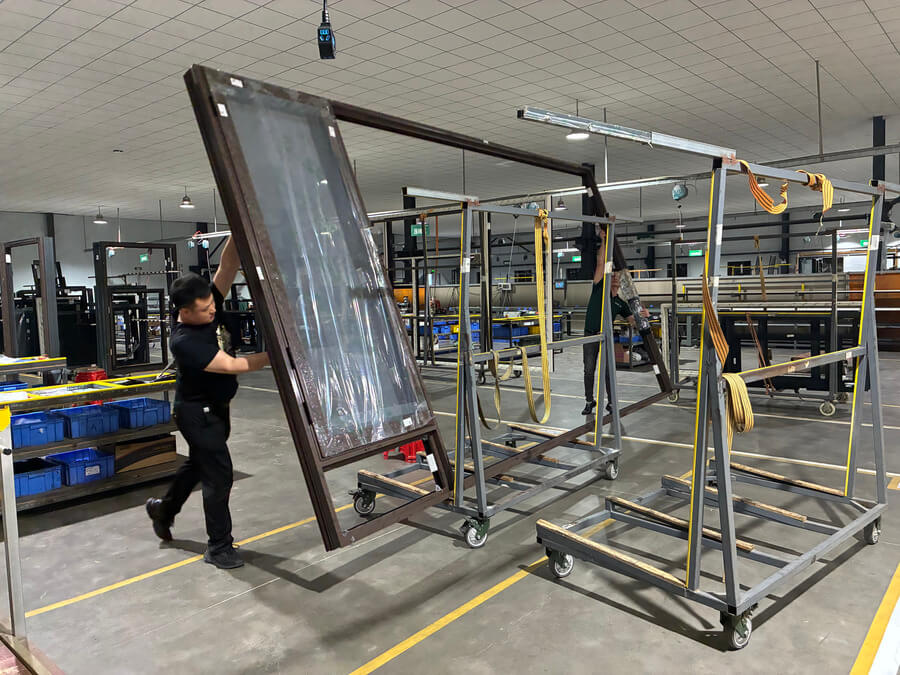
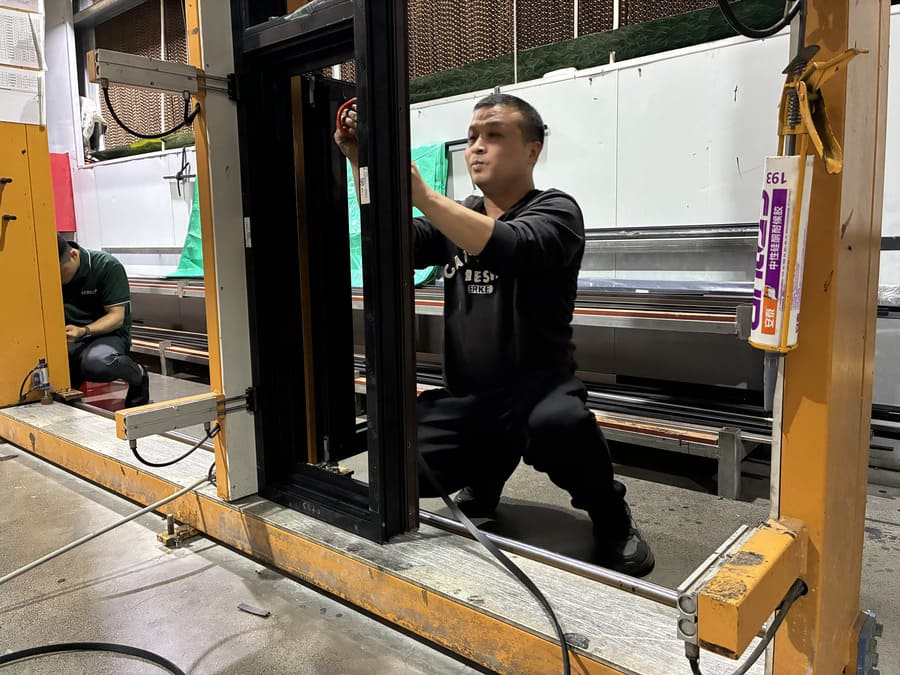
For multiple windows, review one representative configuration before approving full production. Check fit, operation, finish, glass appearance, sealing details, and available acoustic documentation.
FAQ
Are Triple Pane Windows Better for Soundproofing?
Not always. Three panes may improve thermal insulation, but acoustic performance depends on glass thickness, laminated layers, spacing, seals, and frame design. A double pane system with asymmetric laminated glass or a large secondary air gap can outperform a basic triple pane window.
Can You Soundproof Existing Windows?
Existing windows can often be improved with weatherstripping, acoustic inserts, or secondary glazing. These methods work best when the current frame is dry, stable, and correctly installed. Full replacement is more suitable when the frame is damaged, leaking, distorted, or unable to support the required acoustic configuration.
What Is the Most Affordable Option?
Sealing obvious gaps is the lowest-cost starting point. Curtains or removable plugs may help with modest higher-frequency noise. For stronger performance without replacing windows, an interior insert is often the practical next step. Diagnose whether the main problem is air leakage, glass transmission, traffic noise, or another facade element before spending more.
Conclusion

Soundproof windows cost less predictably when the noise target and installation details are missing. Define the noise source, acoustic rating, glass, frame, dimensions, operation, and sealing scope before comparing quotes. For project-specific noise reduction windows, send your drawings, window schedule, quantities, performance requirements, and delivery destination to Boswindor for a customized quotation.




 English
  German
  Italian
  Japanese
  Spanish
  Portuguese
  French
  Russian
  Latvian
  Hungarian
  Chinese
  Korean
  Malayalam
  Indonesian
  Thai
Thai