 跳过内容
跳过内容 



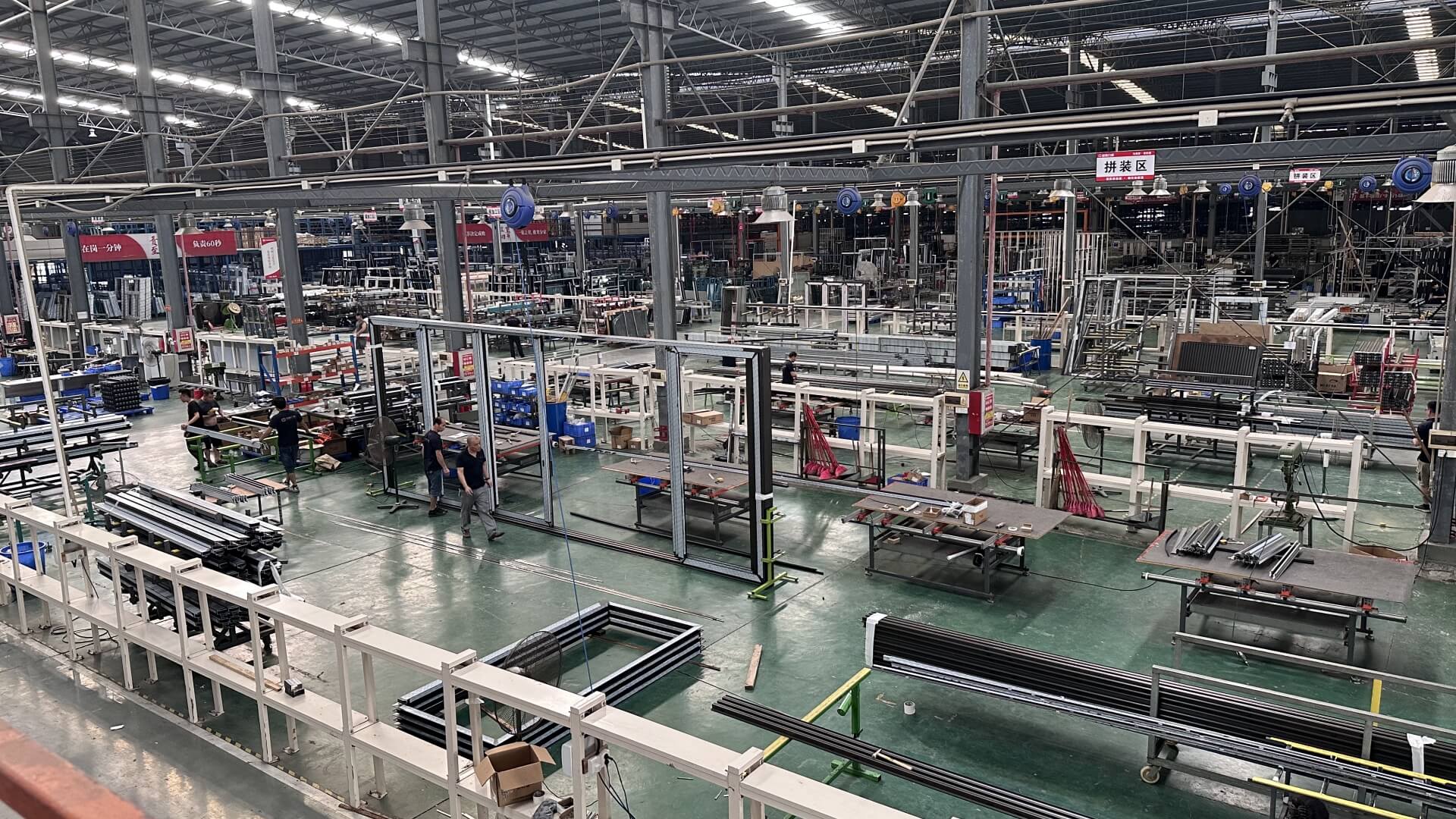
Import windows doors from China can be a practical option for U.S. builders, contractors, homeowners, importers, and wholesalers when the purchase is managed as a technical project, not a simple product order.
The main value is access to custom windows and doors, aluminum systems, uPVC windows, 推拉门, french doors, and related project packages at competitive prices. The main risk is that incorrect specifications, unclear drawings, weak packaging, or missing documentation can make a cheaper purchase costly after arrival.
This guide explains how to evaluate quality, energy efficiency, compliance, shipping, customs, and quotation requirements before importing windows. It is written for buyers who need reliable project coordination, clear communication with Chinese manufacturers, and a stress free process from factory production to construction site delivery.
Quick Answer
Import windows doors successfully by confirming local code requirements first, then matching product specifications, glass, frame systems, hardware, labels, packaging, and shipping documents before production. For U.S. projects, involve local building officials, installers, and a customs broker early. Third-party inspection before sea freight helps verify quality and reduce installation problems after delivery.
要点总结
- Treat importing windows as a specification-driven process, not only a price comparison.
- Confirm energy efficiency, safety glass, labeling, and local building code requirements before paying a deposit.
- Plan for hidden costs, including customs duties, freight, insurance, storage, replacement parts, and professional installation.
Specifications, Compliance, and Product Choices
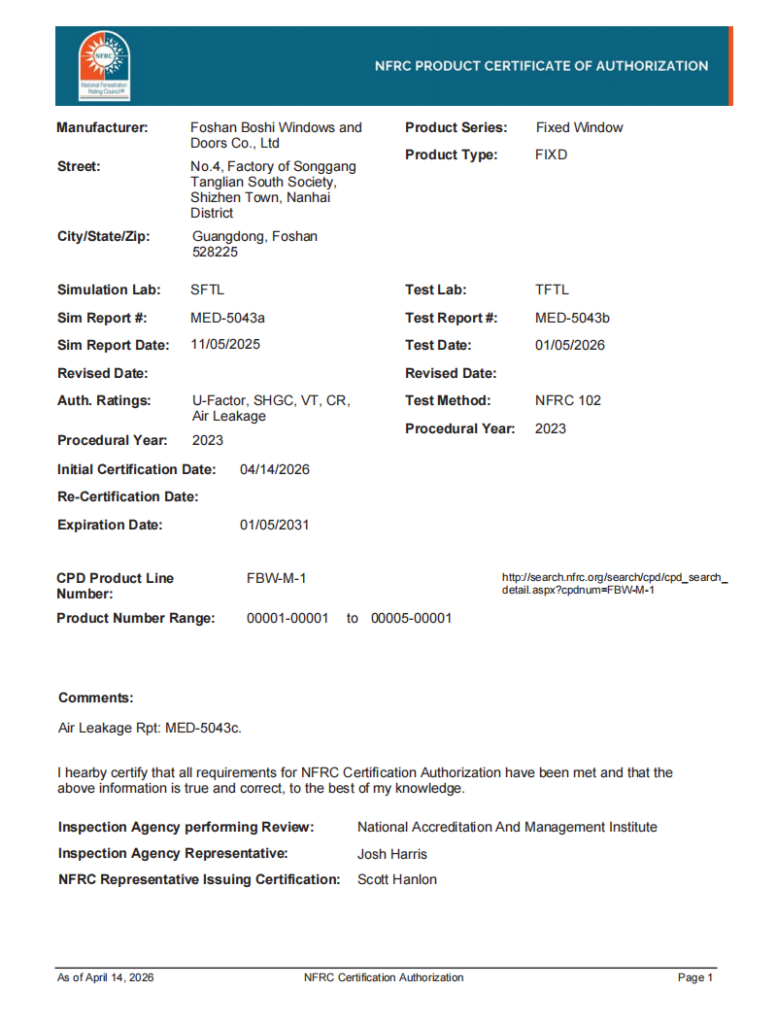
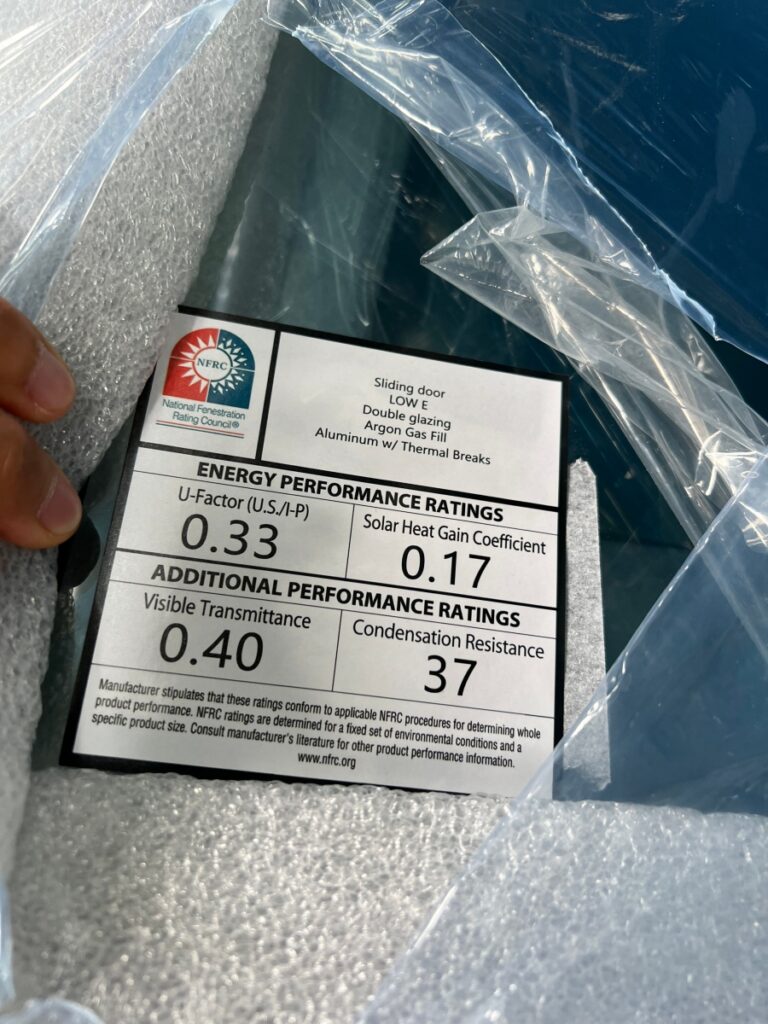
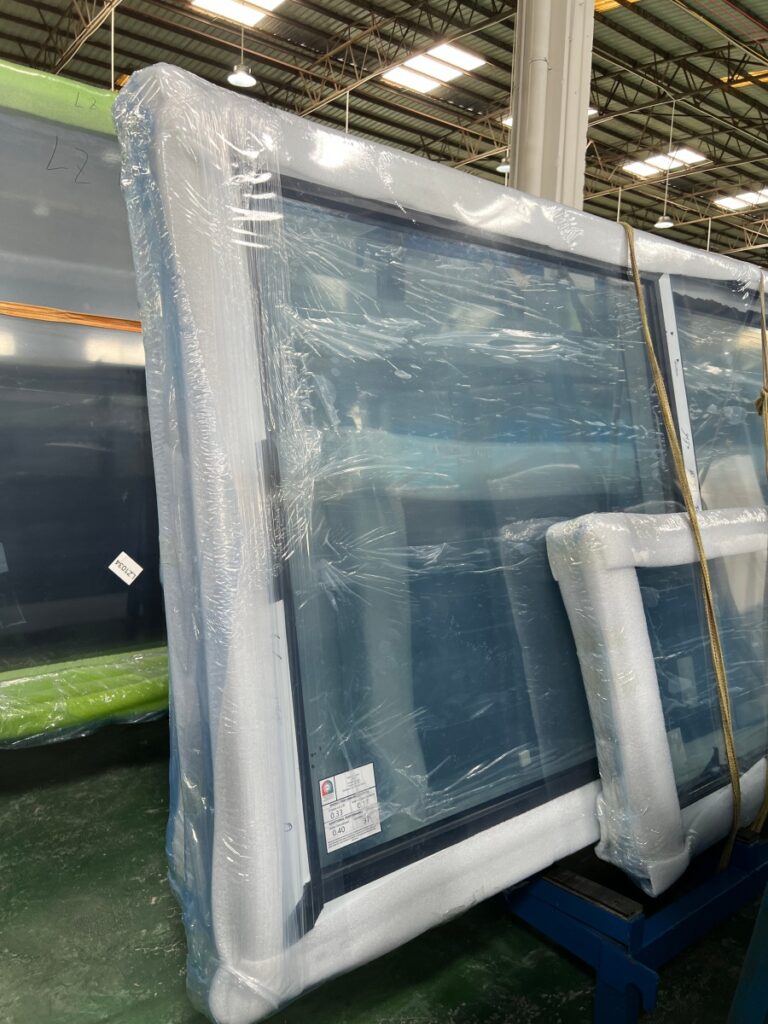
The first buying decision is not which factory has the lowest price. Buyers should define what the project needs, then match that requirement to the right product system, glass, hardware, performance level, and local approval process. Clear specifications reduce language barriers and help the supplier quote the correct solution instead of guessing from photos or rough comments.
For U.S. projects, imported windows and doors must be selected around applicable local building codes, the International Building Code where adopted, and project-specific requirements. Local building officials should be consulted during the design phase because code interpretation can vary by state, county, city, and construction type. A professional installer should also review the planned frame depth, nailing fin or no-fin detail, drainage design, and rough opening tolerance.
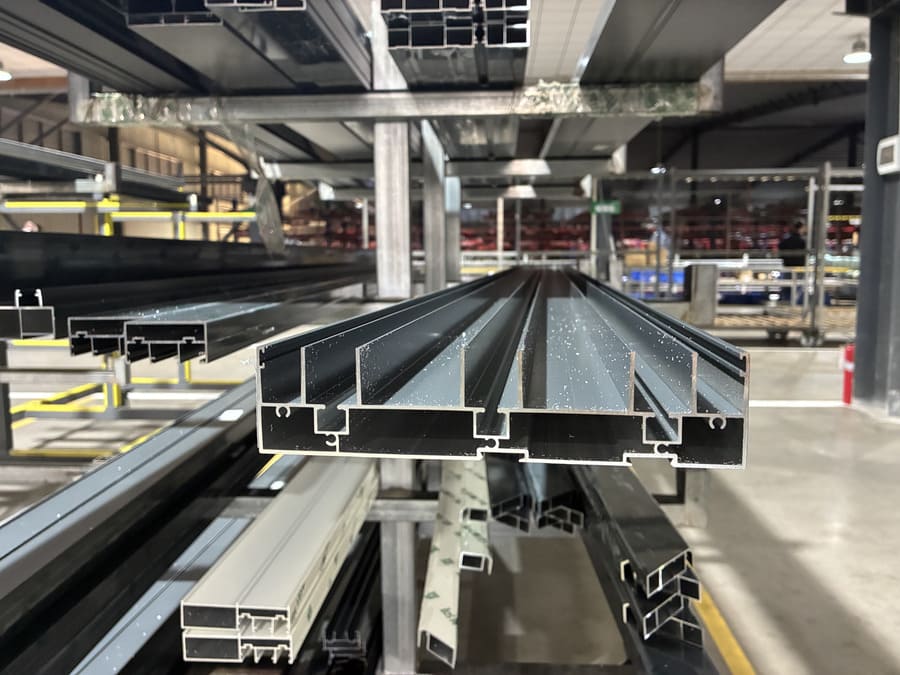
Common product choices include aluminum windows, pvc windows, upvc windows, garage doors, sliding doors, french doors, and European windows. Importing European windows or German-style tilt-turn systems from China may be attractive for appearance and insulation, but buyers must confirm hardware serviceability, replacement parts, screen options, and installer familiarity in their local market.
Energy efficiency should be checked by climate zone, not only by glass thickness. Ask whether Low-E glass, double glazing, thermal break systems, warm-edge spacers, and NFRC or Energy Star options are available for the target market. For Canada, CSA references may be relevant. For Australia, AS2047 and AS2208 options may be relevant. For Southeast Asia, coastal areas, Africa, and South America, tropical climate design, heavy rain protection, humidity resistance, powder coating durability, and corrosion protection may matter more than cold-climate insulation.
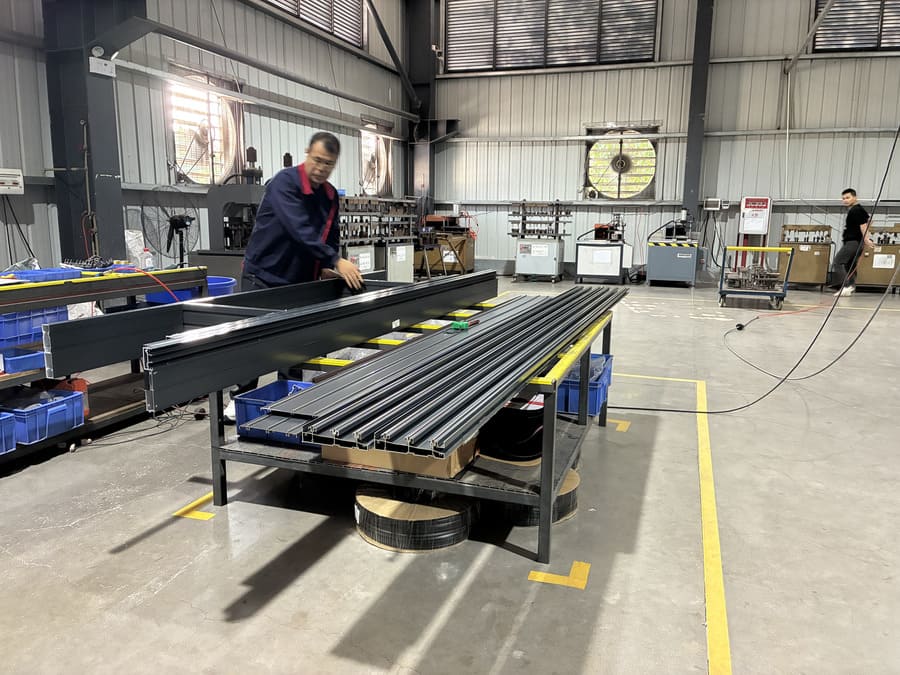
Quality should be reviewed before production, not after the container arrives. High quality windows depend on frame profile, glass specification, hardware, drainage, gaskets, finish quality, assembly accuracy, and packaging. For builders, these details affect inspection, schedule, and callbacks. For homeowners, they affect comfort, noise reduction, security, maintenance, and long-term value.
Importing Windows From China: Cost, Lead Time, and Logistics
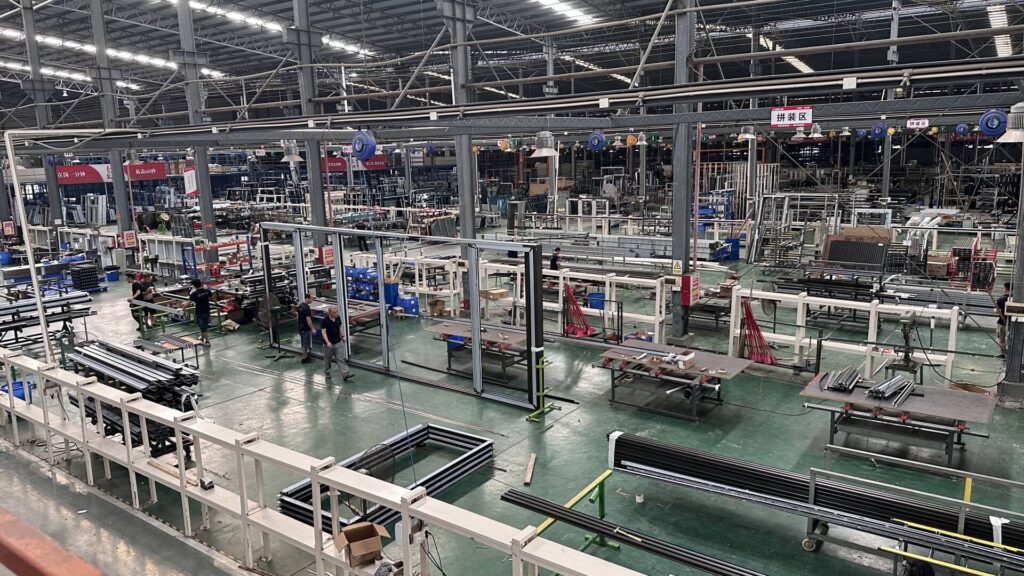
Importing windows can reduce purchase cost, but the real landed price includes more than the factory price. Buyers should compare the full cost of product, packaging, inland trucking, sea freight, customs duties, customs broker fees, insurance, port handling, local delivery, storage, installation labor, and possible service parts. A low unit price has limited value if the shipment arrives late, damaged, mislabeled, or difficult to install.
Many buyers choose a full container load when the project quantity is large enough. A full shipping container can reduce per-unit freight cost and gives better control over loading, bracing, and package sequencing. For smaller orders, less-than-container shipping may be possible, but windows and doors are heavy, fragile, and costly to handle multiple times.
Lead time should be planned conservatively. A complete import schedule can reach 12 weeks or more when it includes shop drawing confirmation, deposit processing, material preparation, production, inspection, packaging, vessel booking, sea freight, customs clearance, and final delivery to the site. Custom colors, special glass, large doors, hurricane-oriented design, or peak-season logistics can extend the timeline.
Before shipment, agree on the Incoterm, payment stages, cargo insurance, crate marking, and document list. Typical documents may include commercial invoice, packing list, bill of lading, material descriptions, test reports or certifications when required, and labeling details. A shipping company and customs broker should review documentation before the cargo leaves China, because correcting paperwork after arrival can delay release and increase cost.
Quality Control and Installation Risk
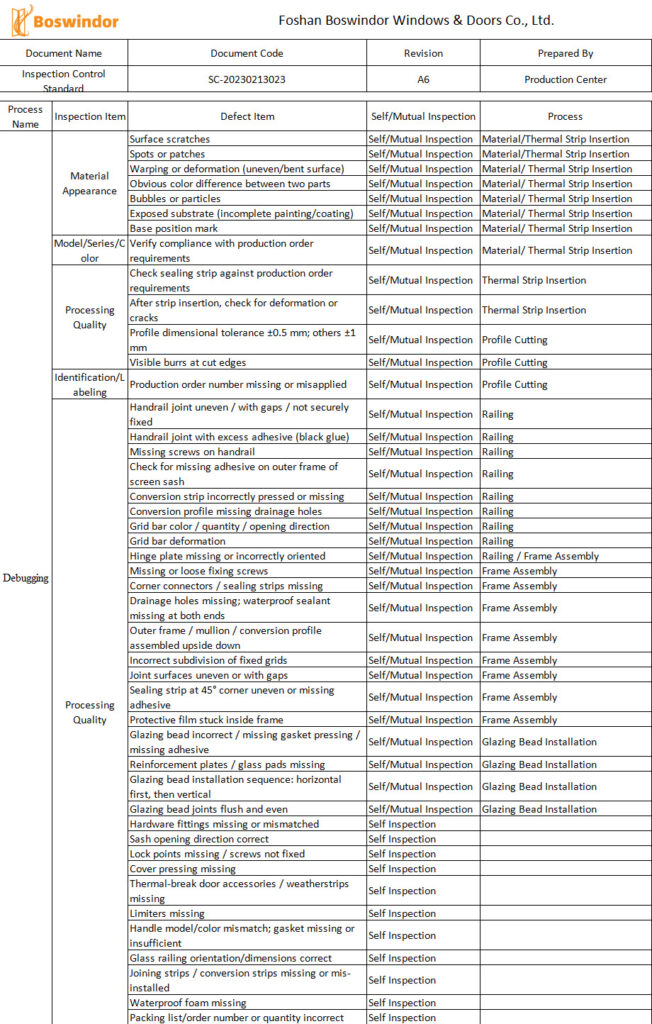
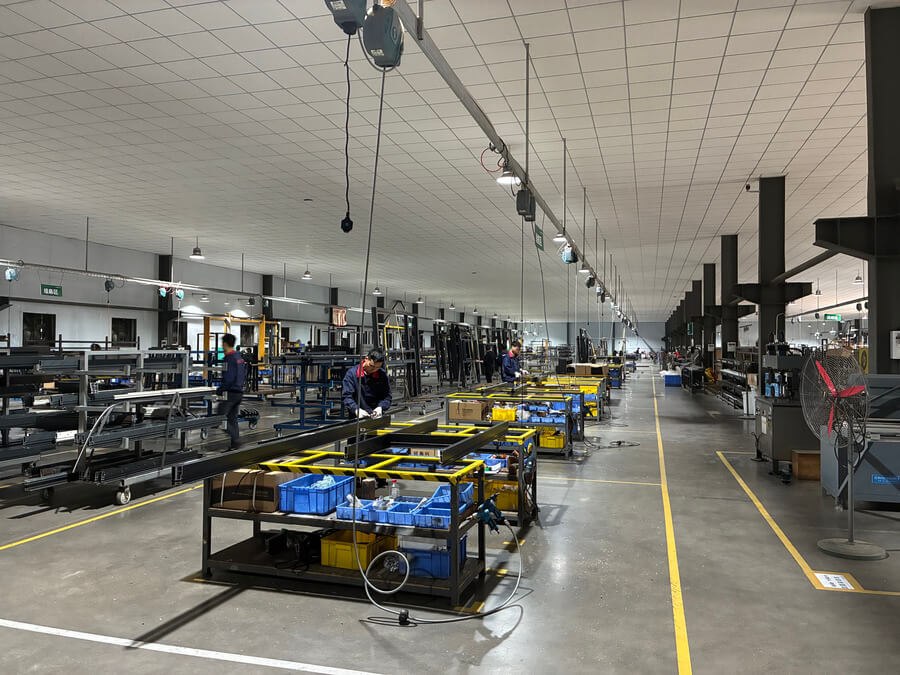
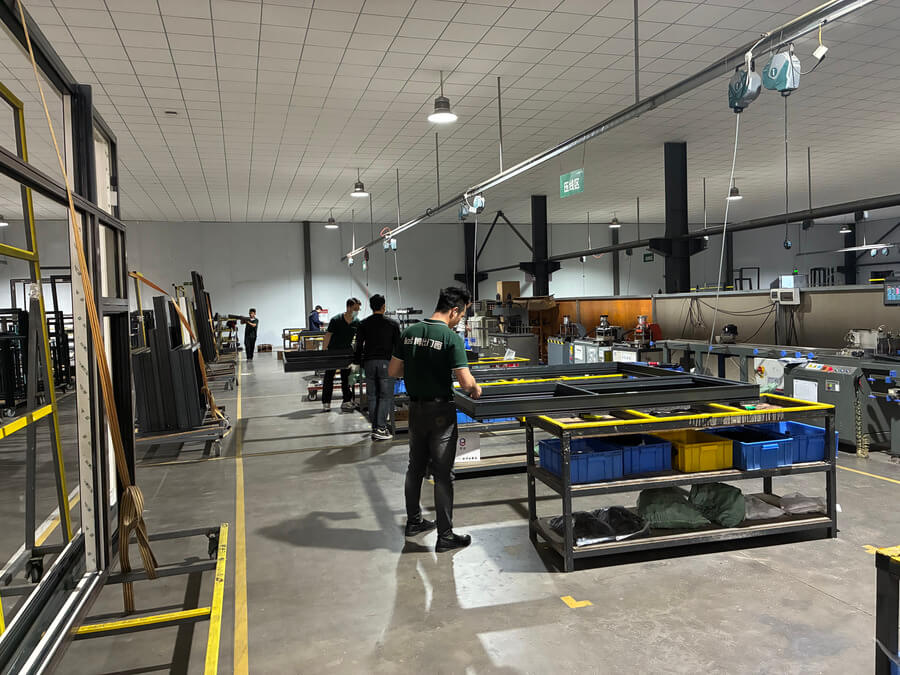
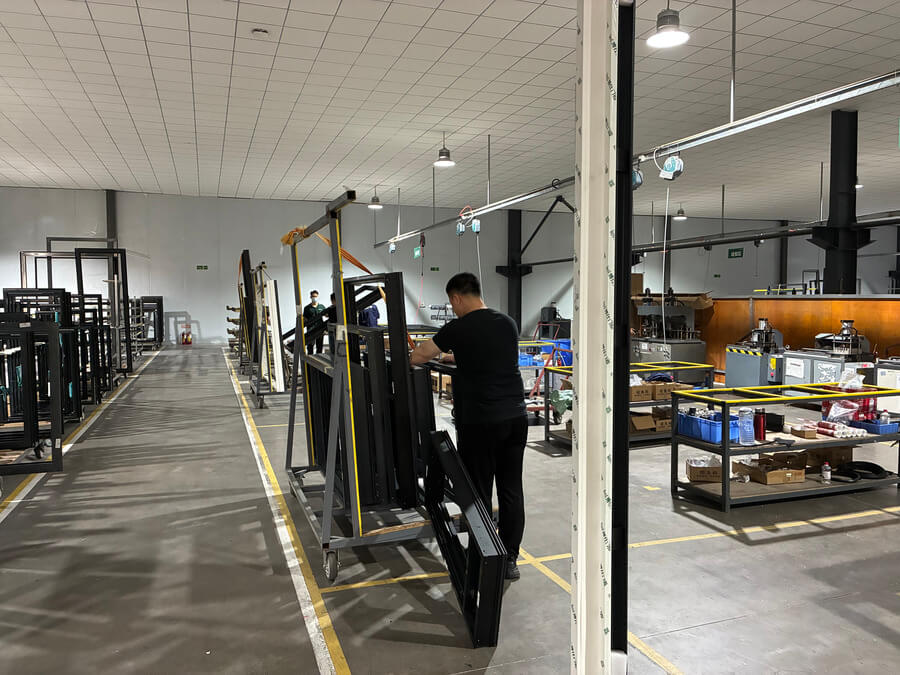
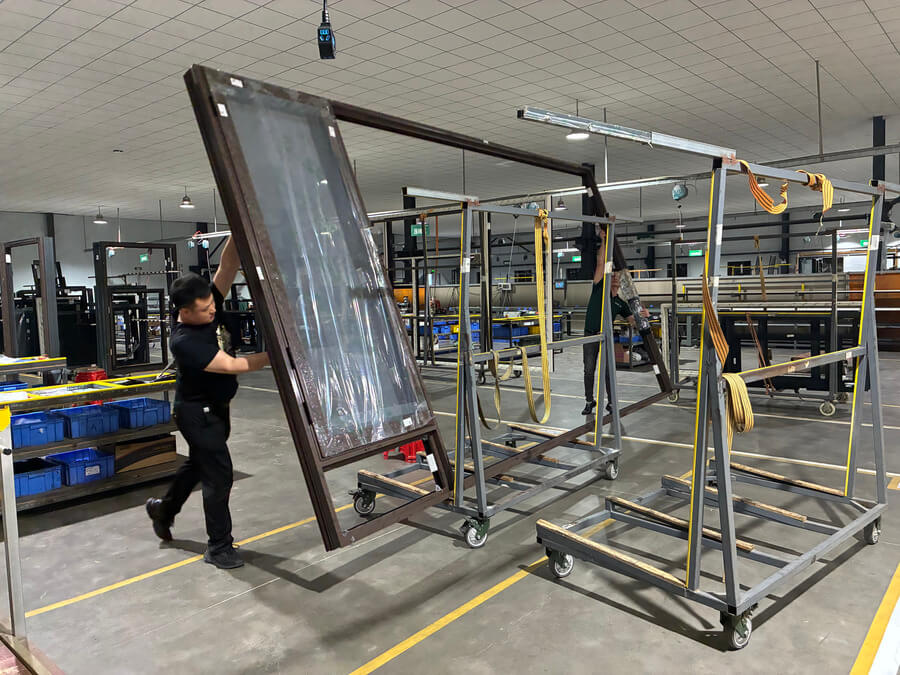
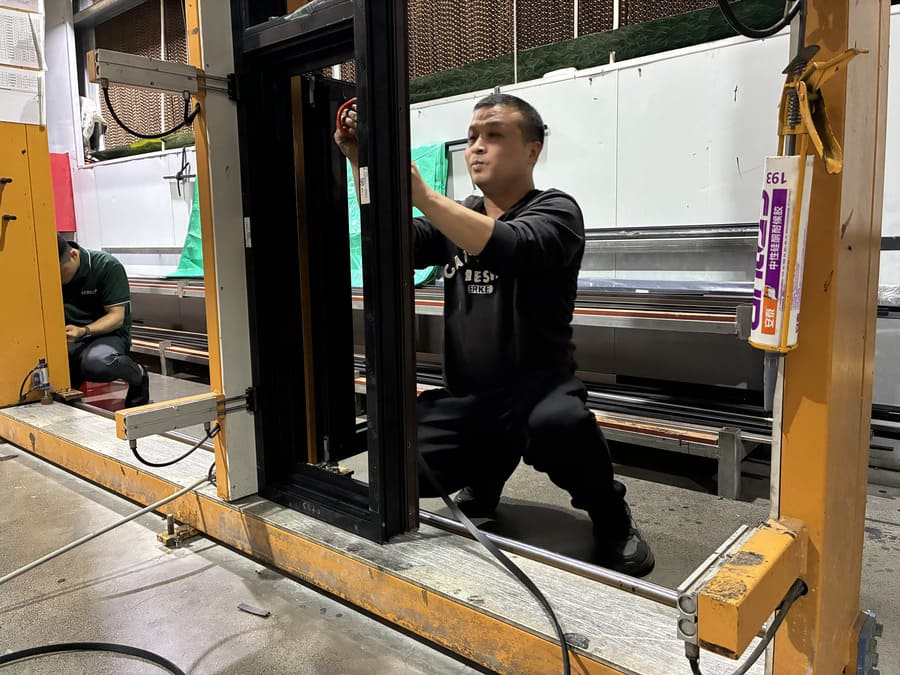
Third-party inspections help verify product specifications before shipping. The inspection can check sample approval, glass marks, frame finish, hardware operation, gasket fit, quantity, labeling, crate strength, and container loading. This is especially important when importing doors, large sliding doors, or mixed systems from multiple production lines.
Before production, ask for shop drawings that show opening direction, frame depth, glass build-up, mullion layout, threshold detail, handle location, drainage path, and installation method. All dimensions are planning references until final drawings are approved. Final sizes depend on the selected frame kit, hardware, wall build-up, waterproofing method, and site conditions.
Do not assume that imported products automatically satisfy local rules. Safety glass may be required near doors, floors, stairs, bathrooms, or impact areas. Energy Star criteria depend on climate zones and rating data. Some projects also require physical product labels or marks from recognized certifying bodies. Confirm these requirements before production, because labels are difficult to add after the goods are delivered.
Comparison Table
The best supplier is usually the one that can convert project requirements into clear drawings, stable production, safe packaging, and responsive after sales service. Use the table below to compare Chinese manufacturers, trading companies, and local suppliers on practical project risk, not only price.
| Factor | What buyers should check | Why it matters |
|---|---|---|
| Code and performance | Local code needs, Energy Star or NFRC options, wind resistance, water tightness, air performance | Reduces approval and installation risk |
| Product system | Aluminum, uPVC, pvc windows, European windows, sliding doors, garage doors, hardware brand, glass type | Determines comfort, security, durability, and maintenance |
| Drawings and sizing | Window schedule, rough openings, shop drawings, frame depth, opening direction | Incorrect sizing can cause costly site changes |
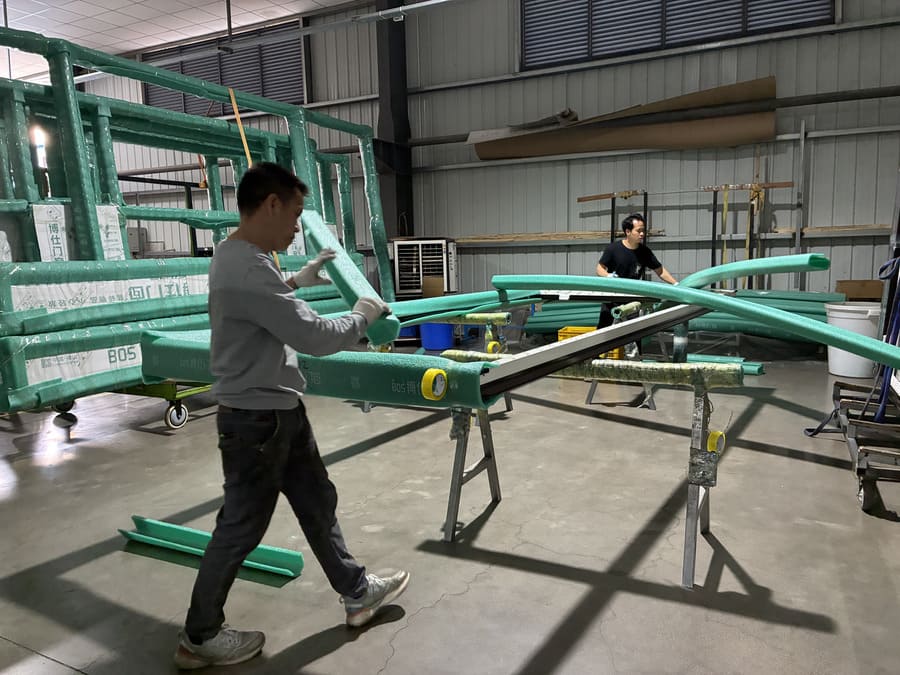
| Packaging and loading | Wooden crates, corner protection, glass separation, labels, container bracing | Reduces damage during freight and delivery |
| Commercial terms | Incoterm, payment terms, customs duties, insurance, replacement parts | Clarifies total cost before purchase |
| Communication | English support, response speed, technical comments, cultural differences | Reduces mistakes during production and shipping |
Factory / Procurement Note

A good quotation package should make the project easy for the factory to understand and easy for the buyer to check. Before requesting pricing, prepare the same information you would expect in a professional window schedule. This helps reduce back-and-forth communication and improves comparison between suppliers.
Prepare these items before purchase:
- Project location, target market, and construction type.
- Drawings, window and door schedule, quantities, and elevation references.
- Rough opening dimensions, with the note that final dimensions require approved shop drawings.
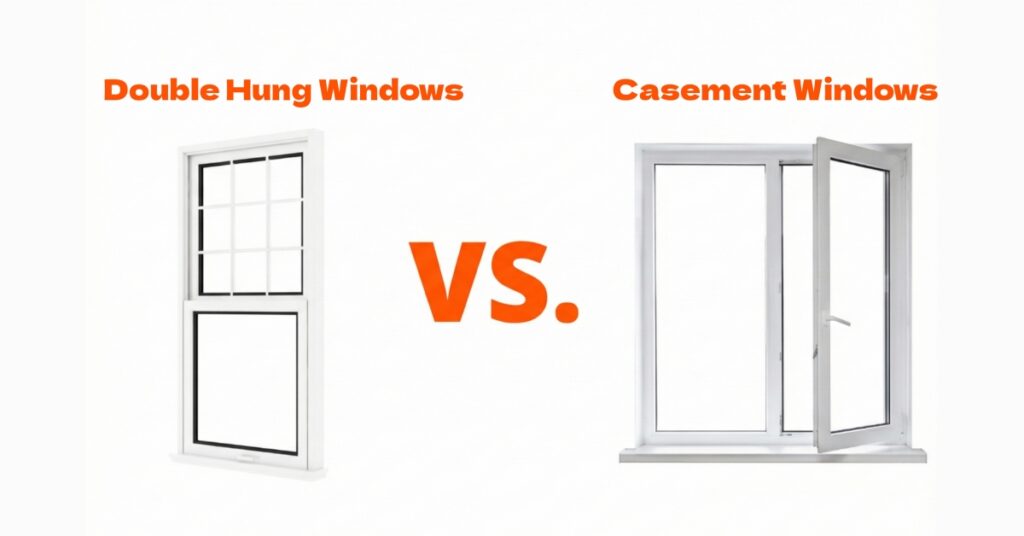
- Product type, such as sliding doors, french doors, fixed windows, casement windows, upvc windows, or aluminum systems.
- Glass requirements, including Low-E, tempered glass, laminated glass, double glazing, privacy glass, or noise reduction needs.
- Frame color, powder coating option, wood-look finish, hardware color, locks, screens, and drainage direction.
- Required standards, test reports, labels, or documentation for the market.
- Packaging, crate labels, delivery sequence, shipping marks, and construction site unloading notes.
- After sales service expectations, spare hardware, rollers, handles, gaskets, and replacement parts.
For import windows doors from China, buyers should also confirm who manages factory communication, inspection, shipping coordination, customs clearance, and local installation. One clear responsibility matrix can prevent expensive gaps between the supplier, shipping company, customs broker, builder, and installer.
常见问题
Is it cheaper to import windows doors from China?
Yes, It can be cheaper on product cost, especially for custom quantities, but the landed cost must be calculated carefully. Include sea freight, customs duties, insurance, broker fees, delivery, storage, inspection, installation, and possible replacement parts. Claims of saving up to 50% should be treated as a starting assumption only, not a guaranteed result. Importers and wholesalers should compare container-level value, service responsibility, and after-sales risk, not only single-unit price.
Do imported windows need to meet U.S. building codes?
Yes, imported windows must be selected for the local project requirements. In the United States, this may include local building codes, safety glass rules, energy performance expectations, wind or water performance, and labeling requirements. Consult local building officials and installers before production so the supplier can build to the correct specification. Code needs can change by climate zone, building height, and installation location.
How can buyers reduce risk when importing windows?
The best risk control is clear documentation before production. Provide drawings, schedules, quantities, hardware requirements, glass specifications, finish colors, packaging needs, and delivery plans. Use approved shop drawings and consider third-party inspection before shipment. A customs broker should also check import documents before the goods leave China. Buyers should keep written records of approvals, samples, inspection results, and shipping instructions.
Conclusion
Import windows doors with a clear specification, realistic landed cost calculation, and careful coordination from drawing approval to site delivery. The best results usually come from early planning, practical code checks, verified production details, secure packaging, and professional installation support.
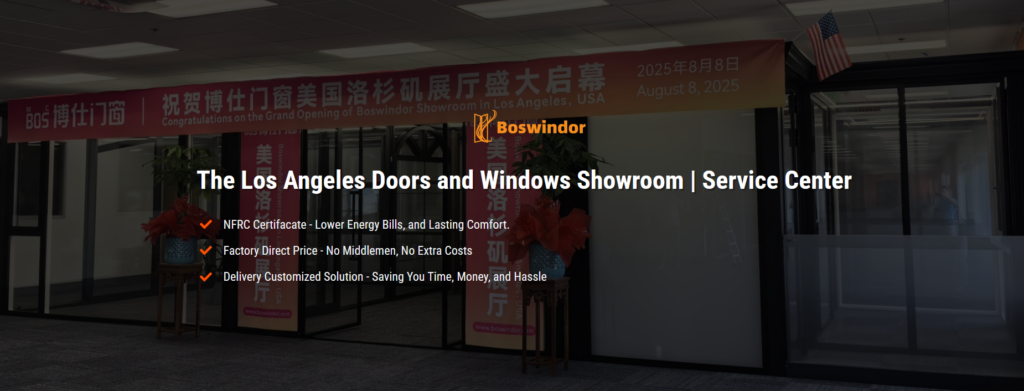
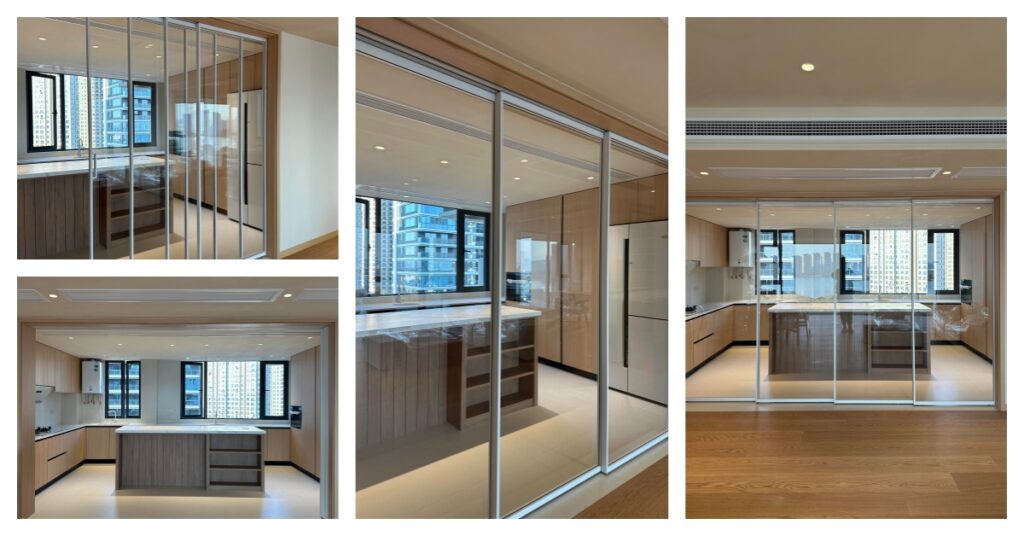
Whether the project is a custom home, multifamily build, or wholesale order, define the requirements before purchase. For custom windows and doors from a factory-direct supplier in Foshan, contact Boswindor and send your drawings or window schedule for a customized quotation.

 English
  German
  Italian
  Korean
  Malayalam
  Indonesian
  Thai
Thai