 Langsung ke konten
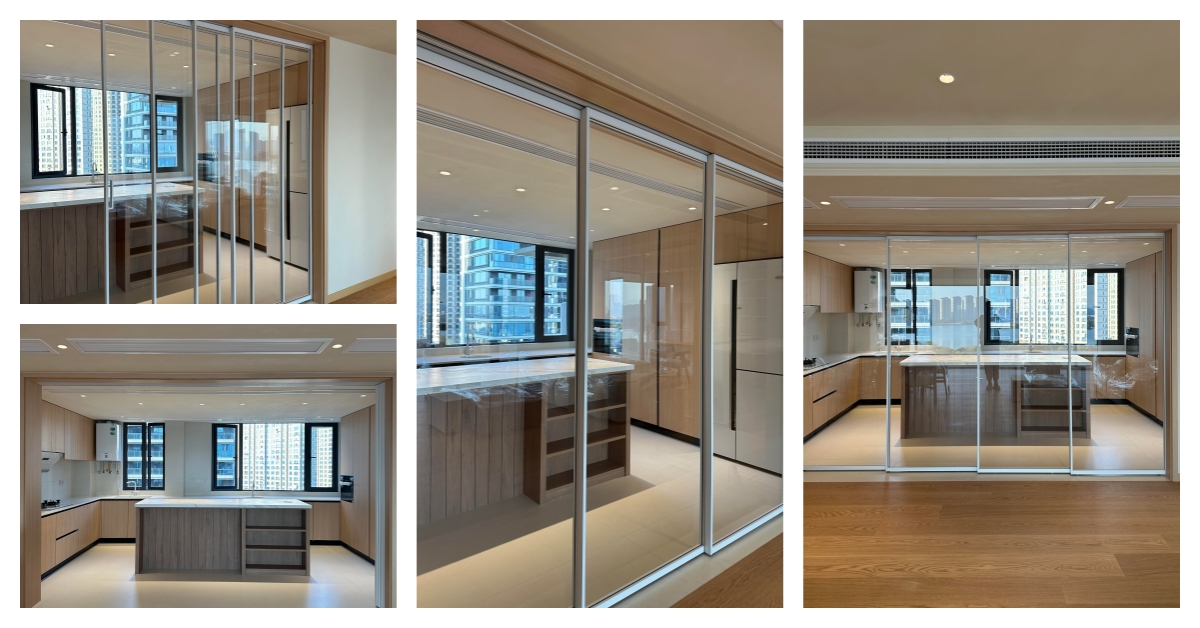
Choosing the right pocket door size is not only about picking a door panel. The pocket door frame, wall cavity, track, hardware, finished wall thickness, and clear opening all affect whether the door slides smoothly after installation.
For US homes, apartments, offices, bathrooms, closets, and narrow hallways, pocket doors are popular because they save floor space compared with traditional swinging doors. However, they need more planning inside the wall than a normal hinged door.
This guide explains common pocket door sizes, single and double pocket configurations, rough opening formulas, and practical checks before purchasing. The measurements below are planning references only. Final dimensions depend on the selected pocket door frame kit, door hardware, wall structure, finished floor level, and site conditions.
Quick Answer
A common pocket door size for a single pocket door is 24 to 36 inches wide and 80 inches high, with 30 x 80 and 36 x 80 popular for residential use. Double pocket doors often range from 48 to 72 inches wide. For planning, rough opening width is commonly about 2 times door width plus 1 inch, and rough opening height is about door height plus 4 1/2 inches.
Poin-Poin Penting
- Measure the rough opening width from stud to stud, then confirm the pocket door frame kit requirements before ordering.
- Standard single pocket door sizes often include 24, 28, 32, and 36 inch widths, while double pocket doors are used for wider openings.
- Check wall space, plumbing, electrical wiring, load bearing wall conditions, door weight, and pocket door hardware compatibility early.
Standard Pocket Door Sizes and Door Size Selection
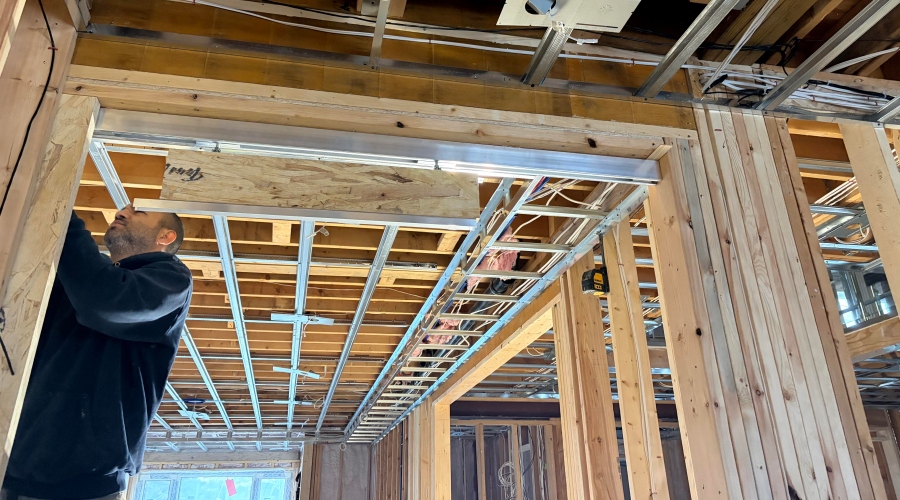
Pocket door sizes usually follow the same nominal width and height logic as traditional doors, but they also need a pocket area inside the wall. For most US projects, choose the door panel by clear passage first, then confirm that the adjacent wall can hold the pocket door frame, track, hangers, jambs, and drywall.
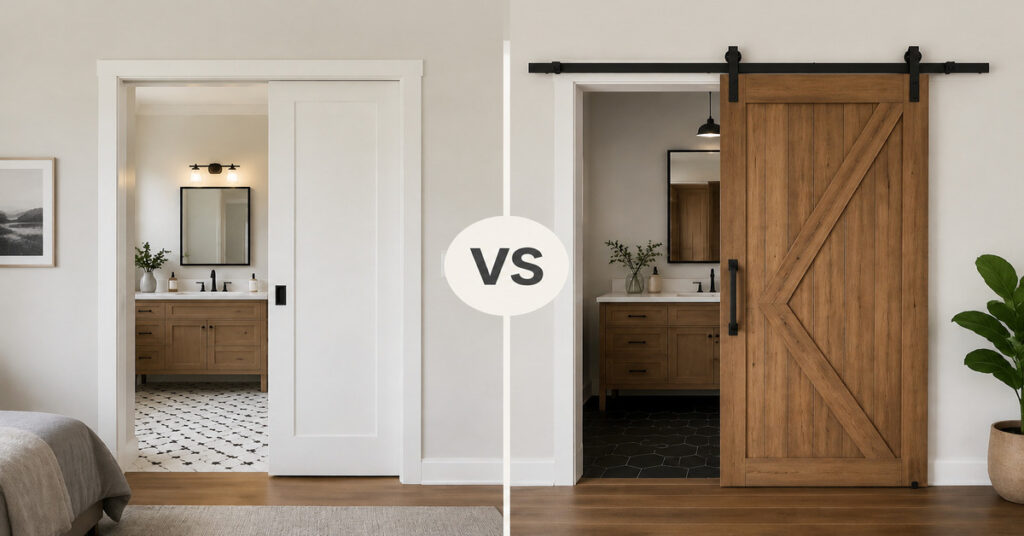
Single pocket doors slide into the wall on one side of the doorway. They suit bathrooms, closets, laundries, offices, and small rooms where a swinging door wastes floor space. Single pocket doors typically range from 18 to 36 inches wide. Common residential choices are 30 and 36 inches, while small bathrooms often use 24 to 30 inches.
Standard pocket door heights often start at 80 inches. Taller options may include 84, 92.5, and 96 inches, depending on the system. Common single pocket door sizes include 24 x 80, 28 x 80, 32 x 80, and 36 x 80. Some planning references treat 18 x 80 as the smallest standard size and 36 x 96 as the largest common single standard size.
Double pocket doors use two door panels that meet in the middle and open like curtains. They are useful for wider openings between living rooms, dining rooms, offices, and master suites. Standard double pocket door sizes often include 48, 56, 64, and 72 inch widths. Because two panels and two pockets are involved, double-pocket systems need careful shop drawings.
Pocket doors are space-saving because the door slides into the wall instead of swinging across the room. A single pocket door can save about 6 square feet of floor clearance, and larger layouts may save up to 10 square feet compared with traditional swinging doors.
Door Opening, Rough Opening, and Measurement Rules
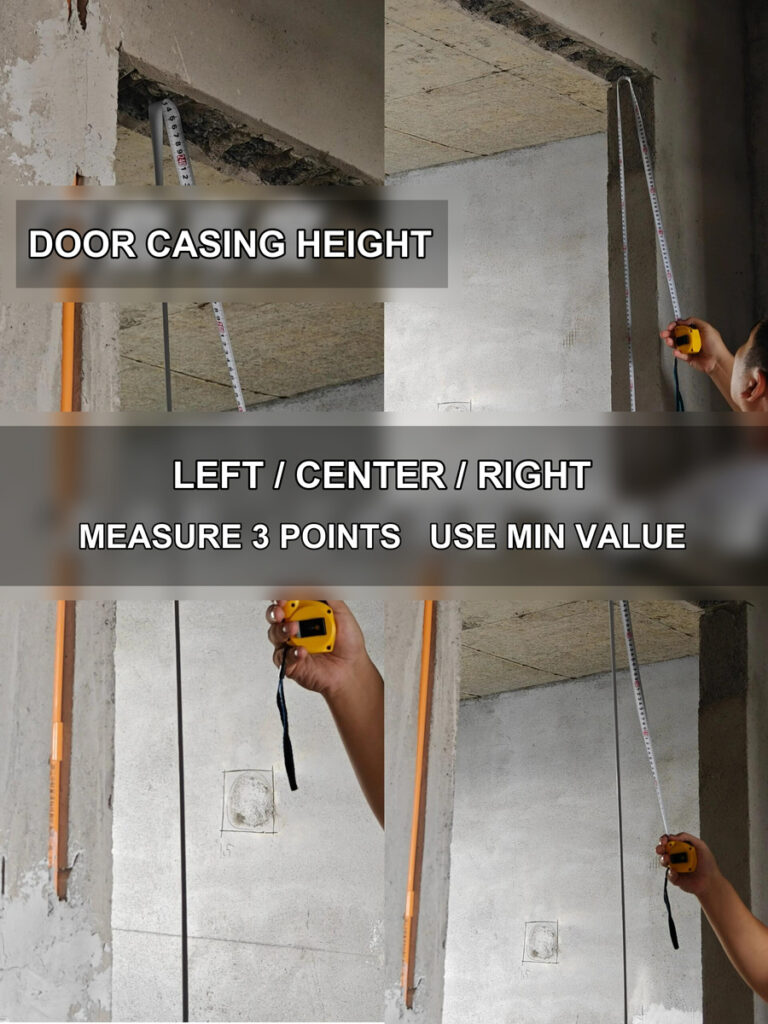
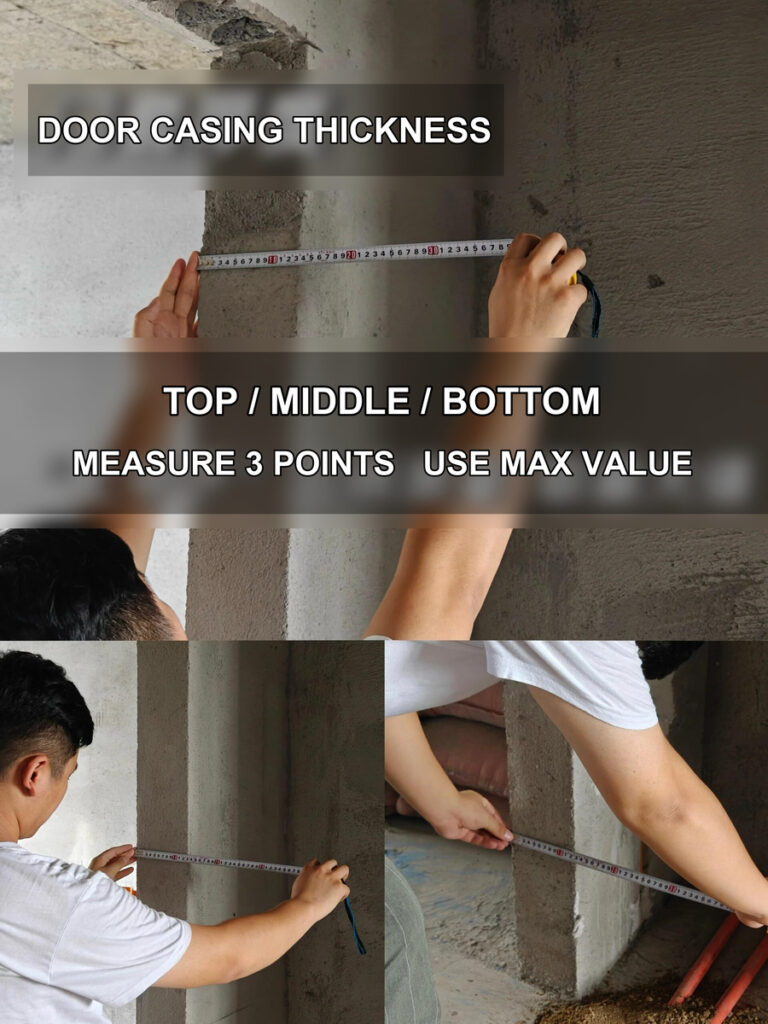
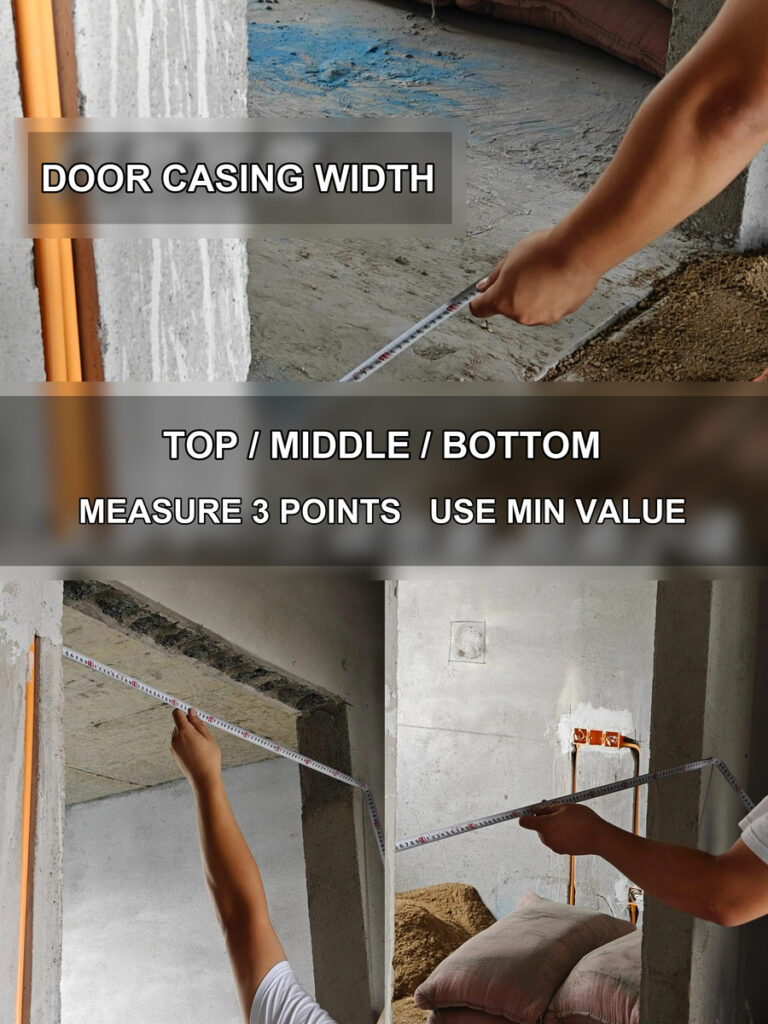
The safest way to determine pocket door size is to measure the actual rough opening, then match it to the frame kit and hardware drawings. Measure width from stud to stud and height from the header to the finished floor level. Use these formulas only as planning references, because pocket door systems can have different clearance requirements.
For a single pocket door, many projects use these planning formulas:
- Rough opening width = 2 x door width + 1 inch.
- Rough opening height = door height + 4 1/2 inches.
- Door height = rough opening height minus about 4 1/2 inches.
- Door width = desired clear doorway width plus about 1 to 2 inches for overlap.
For example, a 30 x 80 inch pocket door may need a rough opening around 61 inches wide and 84 1/2 inches high before final frame confirmation. A 36 x 80 inch door may need around 73 inches of rough opening width. Approved frame kit instructions should control the final cut size.
Use a tape measure and write the width and height in more than one place. Check the left, middle, and right height points, then use the smallest height as the safe reference. If flooring will be added later, door height and bottom clearance can change.
The wall is as important as the door size. A standard pocket door may fit into a 2×4 stud wall with a 3.5 inch stud depth, but finished wall thickness, drywall, casing, metal framework, and frame kit design affect the final system. Avoid pocket areas with plumbing, electrical wiring, switches, or electrical panels. A load bearing wall needs professional review before cutting.
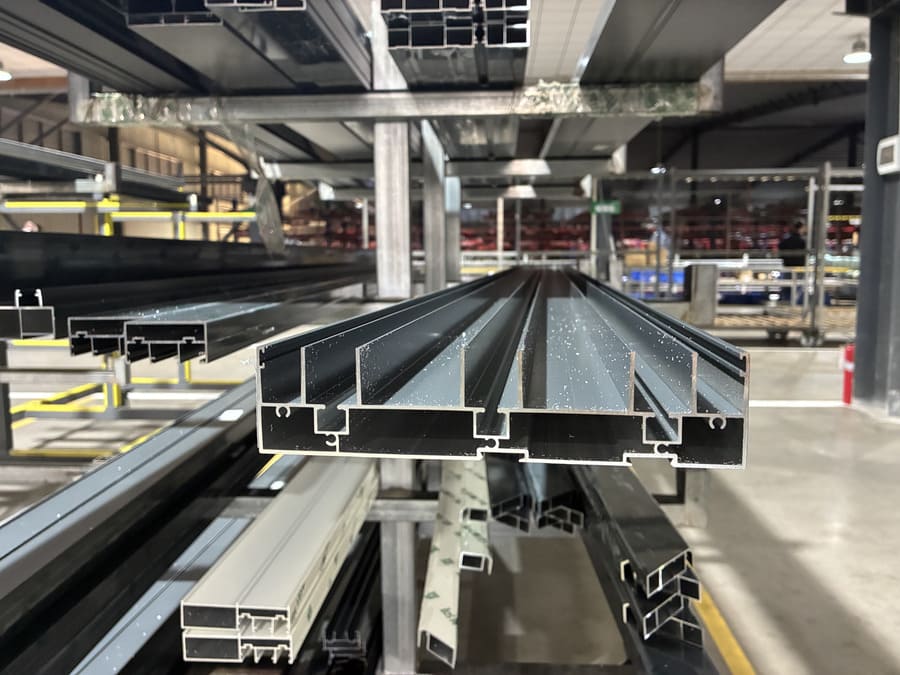
Door hardware also affects measurements. Pocket door hardware includes the track, rollers, hangers attached to the top edge, edge pulls, locks, soft stops, guides, and other accessories. A heavy solid door panel, flush pocket door, or decorative door may require stronger hardware and more clearance. Unlike traditional doors, hinges are replaced by sliding hardware, so alignment inside the pocket must be accurate.
Comparison Table
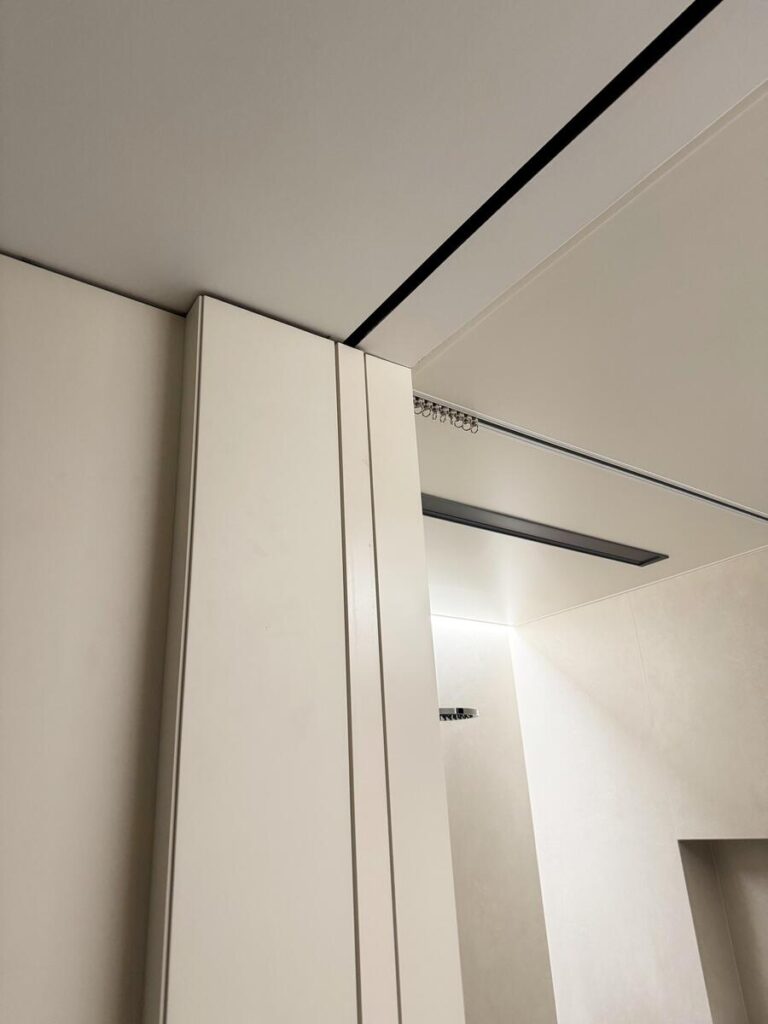
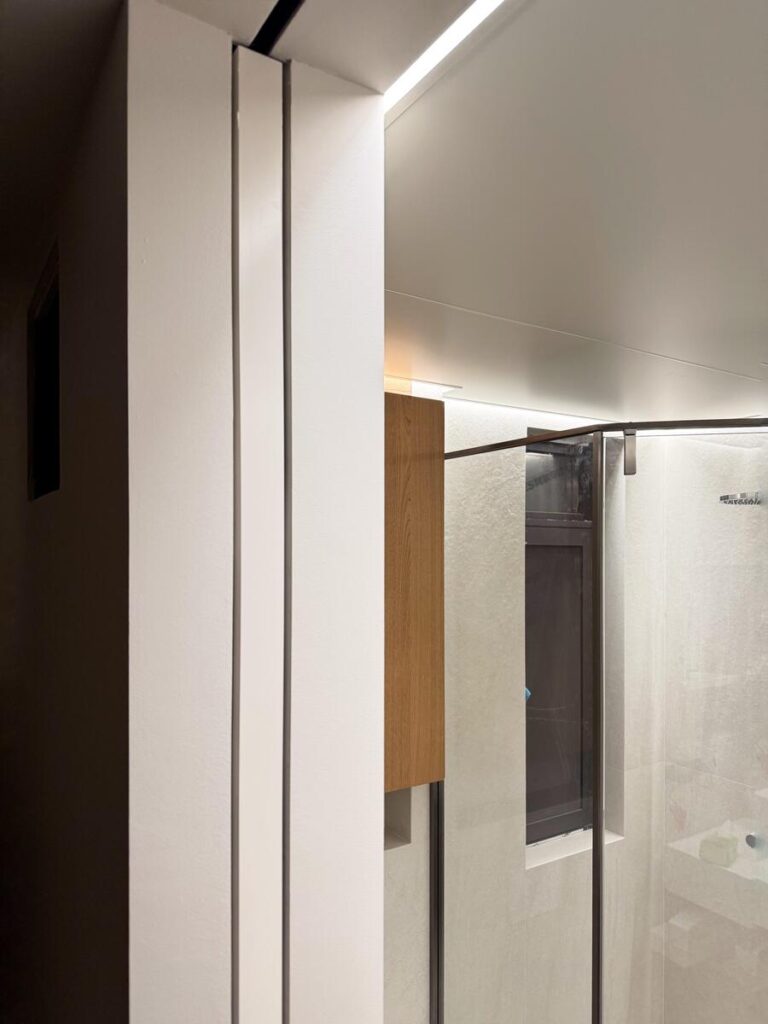
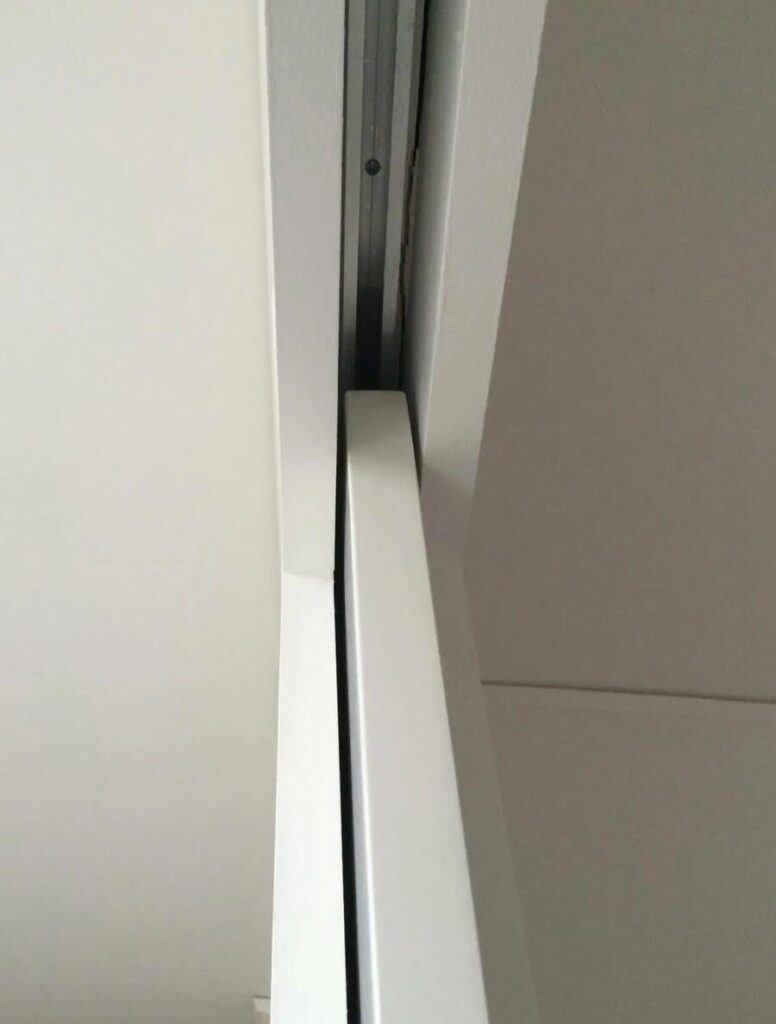
A good pocket door system is selected by matching the door size, wall space, frame strength, and hardware package. The table below helps buyers compare a standard pocket door, double pocket doors, and traditional swinging doors during early design, quotation, and purchasing discussions.
| Factor | What buyers should check | Why it matters |
|---|---|---|
| Door configuration | Single pocket, double pocket, or swinging door | It determines opening width, pocket space, and installation work. |
| Rough opening | Stud to stud width, opening height, header, and finished floor level | Wrong dimensions can cause cutting, delays, or poor sliding function. |
| Wall condition | Adjacent wall length, wiring, plumbing, and load bearing status | The door panel needs clear wall space to slide fully opened. |
| Hardware package | Track, rollers, hangers, edge pulls, locks, soft stops, and guides | Compatible hardware helps the door slides smoothly and improves durability. |
| Door panel | Width, height, thickness, weight, finish, and decorative elements | Panel details affect frame strength, privacy, handling, and maintenance. |
| Finished wall thickness | Stud depth, drywall, casing, jambs, and metal framework | The pocket frame must fit inside the finished wall. |
Factory / Procurement Note
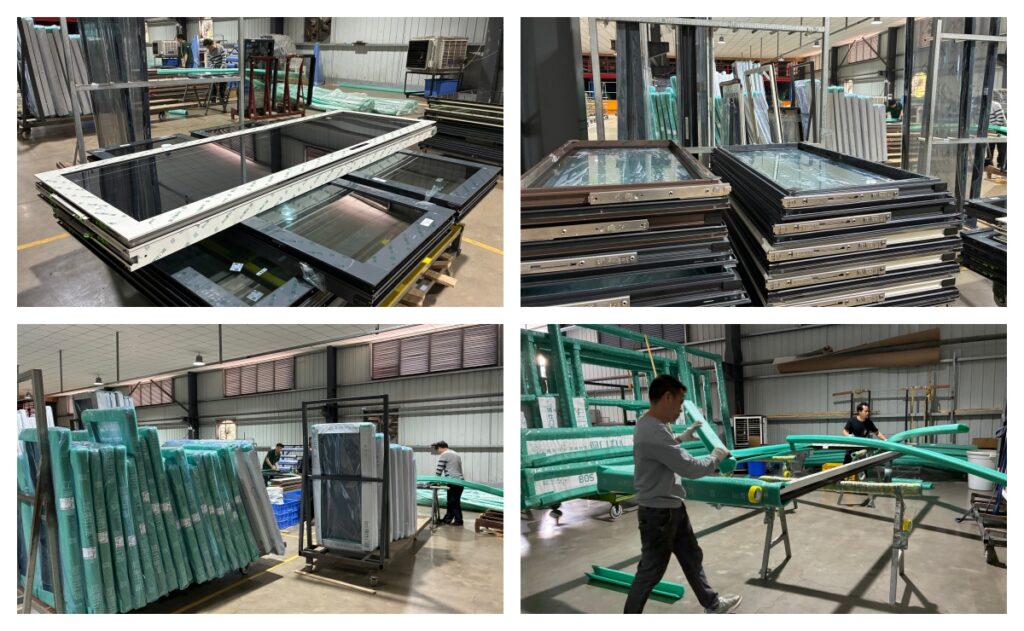
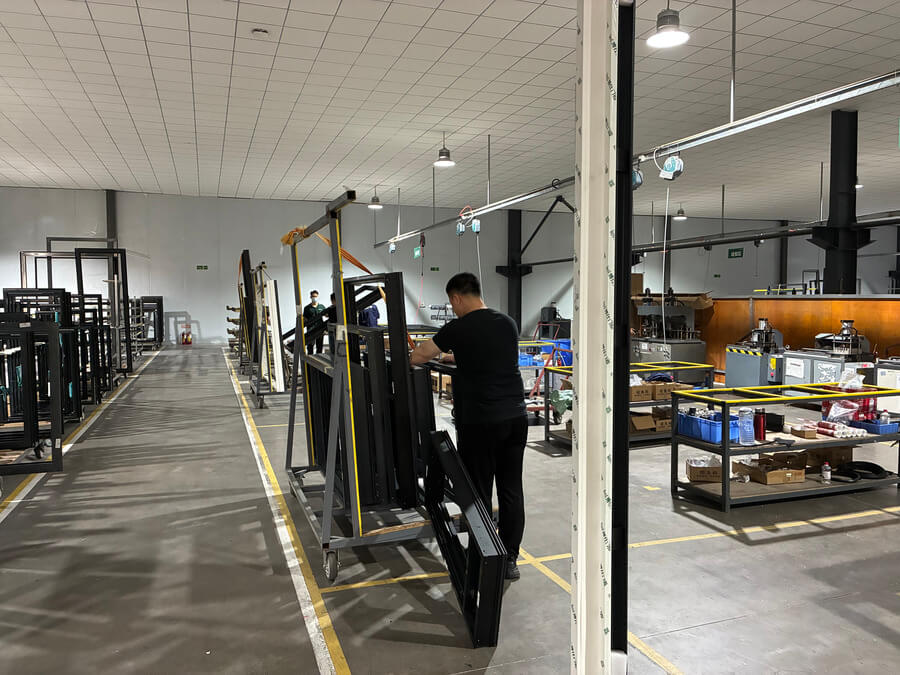
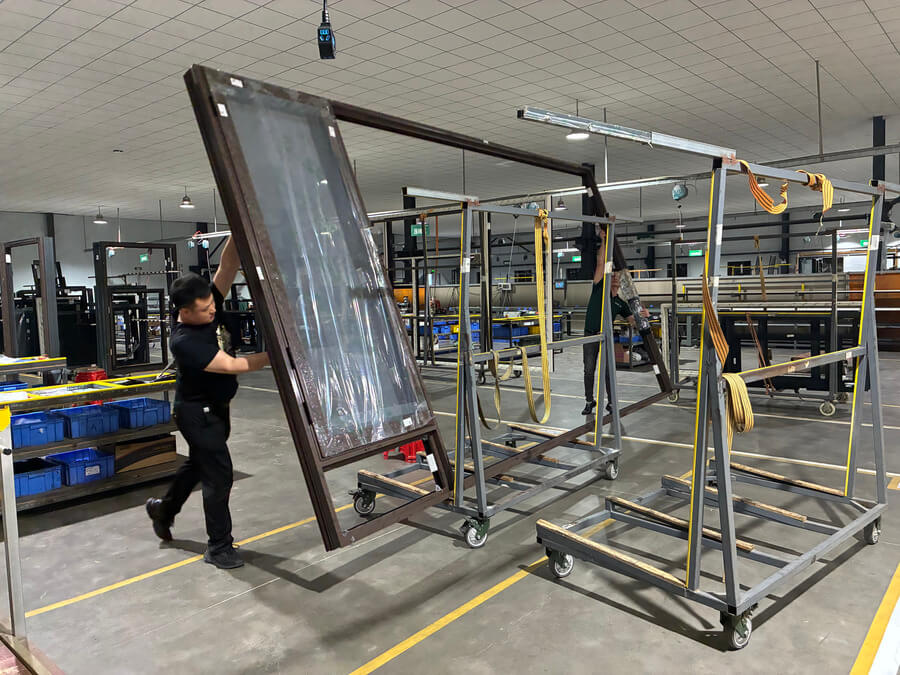
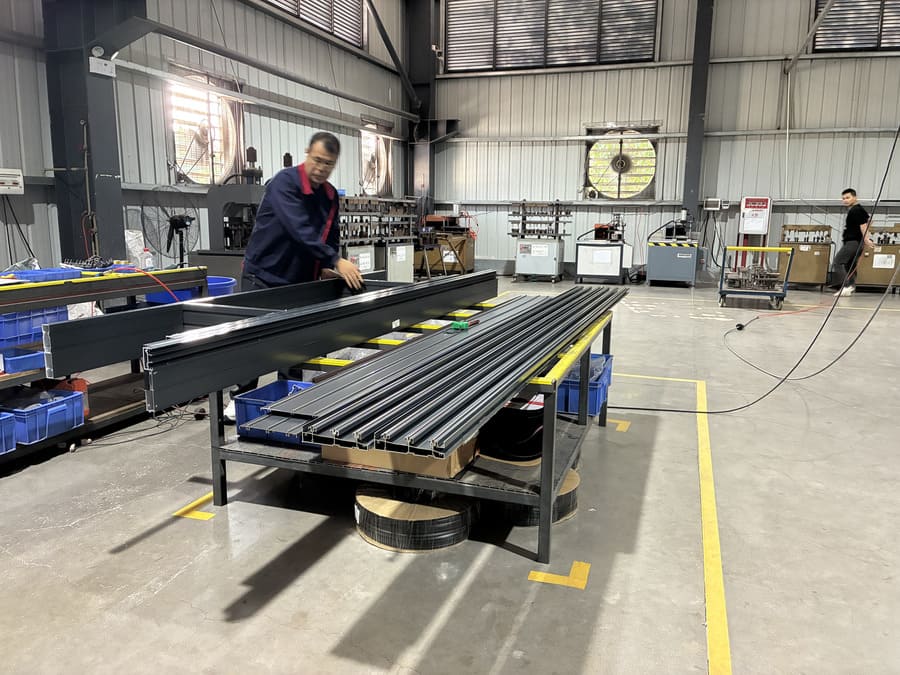
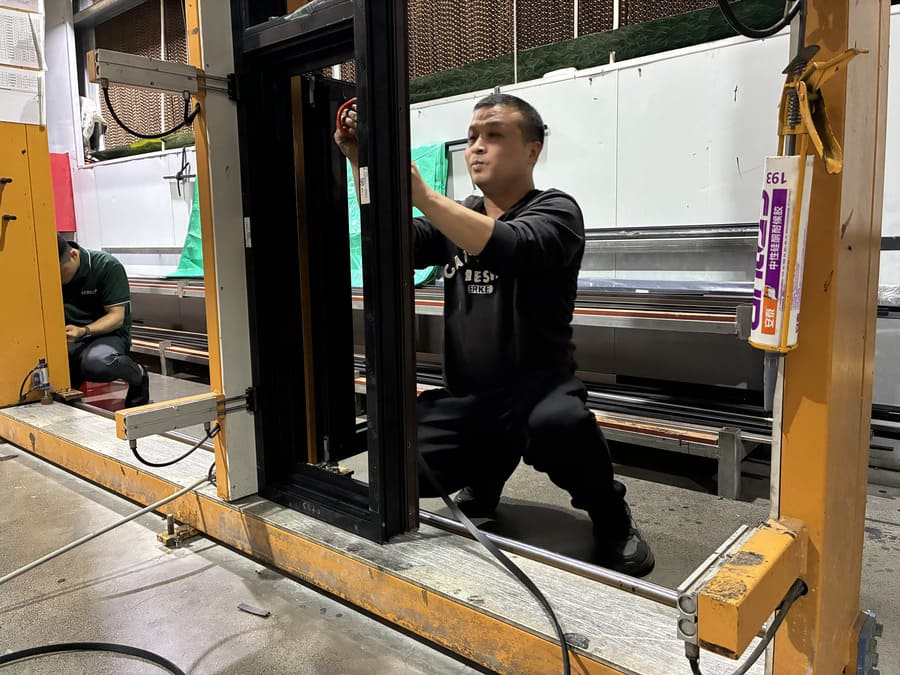
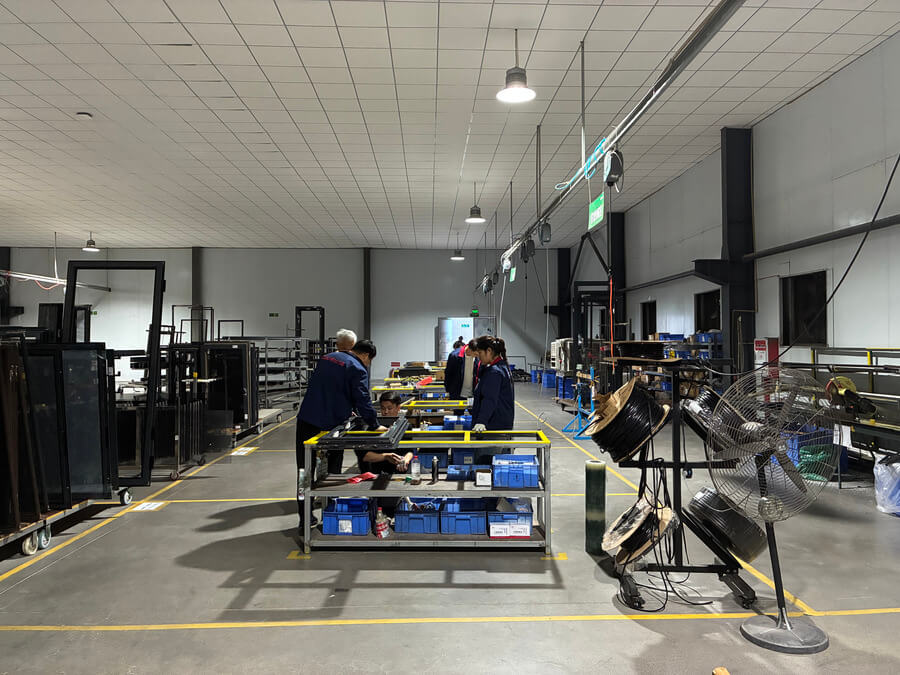
For overseas purchasing, accurate quotation information is more important than a general size request. Builders, contractors, and homeowners should prepare drawings and site measurements before asking for a quote. The factory and project team need enough detail to confirm whether the requested pocket door size, frame, hardware, packaging, and installation sequence are suitable.
Prepare the following before purchasing:
- Floor plans, elevation drawings, or shop drawings for each door opening.
- Door schedule with quantities, labels, nominal size, and desired width.
- Rough opening width, rough opening height, wall depth, and finished wall thickness.
- Single or double pocket configuration, door panel material, thickness, color, and finishes.
- Hardware requirements, including track, hangers, rollers, edge pulls, locks, and soft stops.
- Notes about plumbing, electrical wiring, adjacent wall space, load bearing review, and finished floor level.
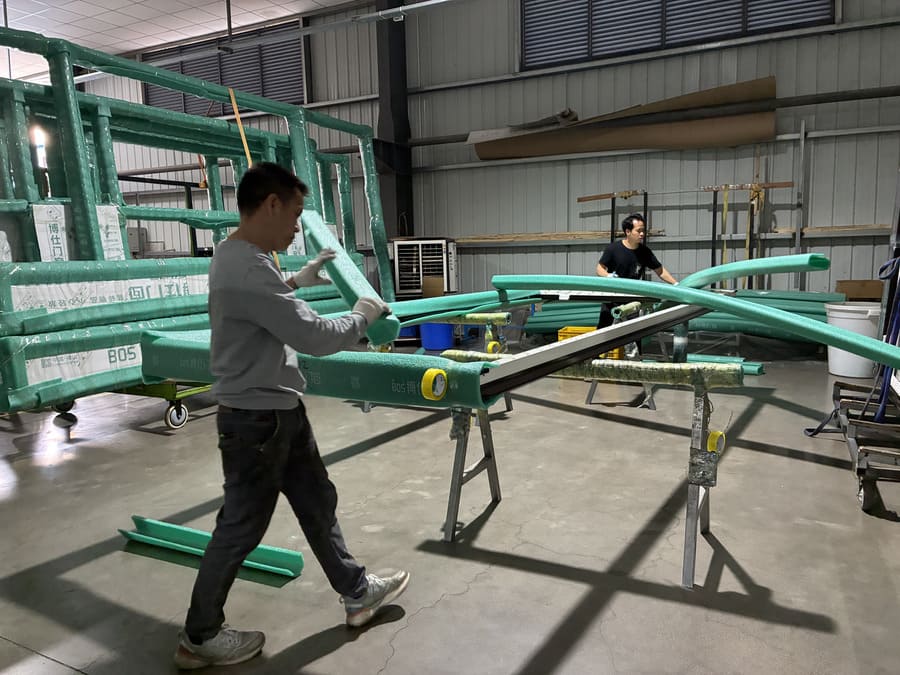
- Packaging, labeling, unloading, container planning, and delivery sequence.
For B2B projects, confirm whether the order includes door panels only, hardware only, or a matched frame kit and door package. This avoids the common mistake of receiving a suitable door panel but incompatible track, frame, or accessories. For custom work, request approval drawings before mass production.
FAQ for Pocket Door
What is the most common pocket door size?
The most common pocket door size in US residential projects is often 30 x 80 or 36 x 80 inches for a single pocket door. Smaller areas, such as compact bathrooms or closets, may use 24 to 30 inch widths. Wider rooms may use double pocket doors with a combined width of 48 to 72 inches. These are planning references only. Final sizes depend on the frame kit, hardware, clear opening goal, and site conditions.
How much bigger should the rough opening be for a pocket door?
For a single pocket door, a common planning rule is rough opening width equals 2 times the door width plus 1 inch. Rough opening height often equals door height plus 4 1/2 inches. Another way to work backward is to subtract about 4 1/2 inches from the rough opening height to estimate door height. Always verify with the selected pocket door frame kit, because track and clearance details can differ.
Can a pocket door be installed in any wall?
No. A pocket door needs enough adjacent wall space for the door panel to slide fully opened into the pocket. The wall should also be free of plumbing, electrical wiring, switches, and other obstructions in the pocket area. A load bearing wall may need structural review before changes are made. In remodels, professional inspection is recommended before cutting the wall, especially in bathrooms, kitchens, and older homes.
Kesimpulan

Pocket door size planning should connect the desired clear opening with the real wall structure, rough opening, frame kit, and door hardware. Before ordering, check the door width measurement, rough opening width, finished wall thickness, and whether the pocket area is free from obstructions.
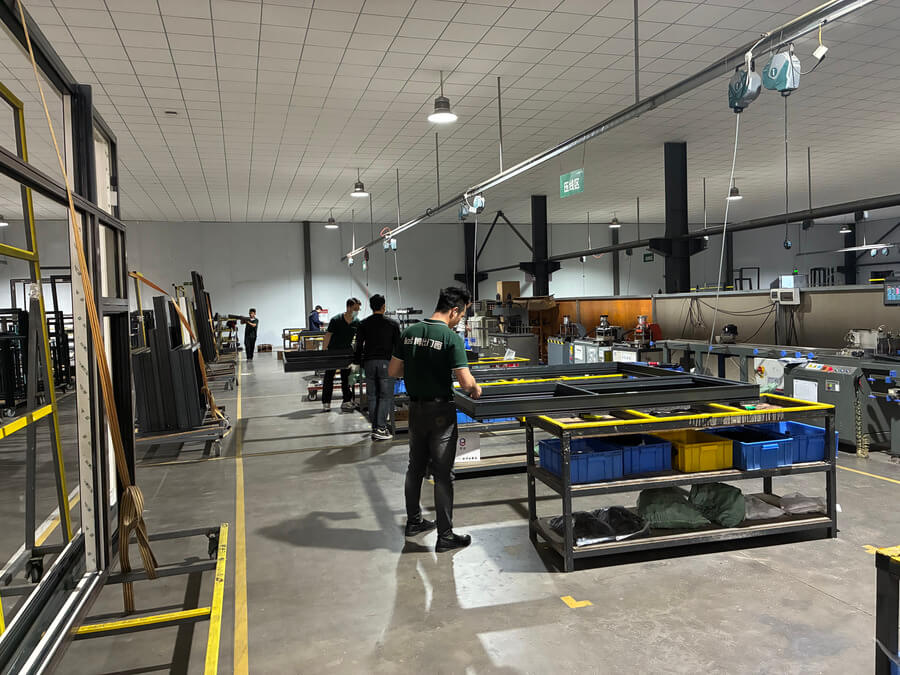
As a factory-direct custom windows and doors supplier, Boswindor can review your drawings, door schedule, and quotation requirements for project coordination. Send your drawings or door schedule for a customized quotation and practical factory-direct project review.




 English
  German
  Italian
  Japanese
  Spanish
  Portuguese
  French
  Russian
  Latvian
  Hungarian
  Chinese
  Korean
  Malayalam
  Indonesian
  Thai
Thai