 跳过内容
跳过内容 



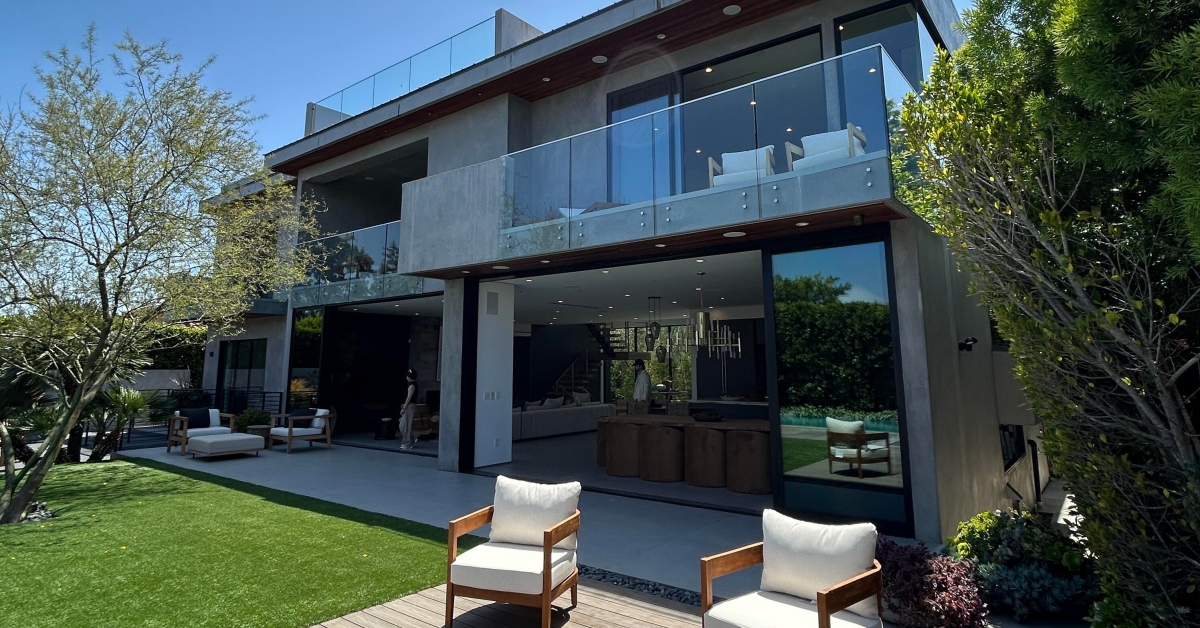
I often hear this question: How long do windows last? I understand why you ask. Windows touch daily life. They let in light, block outside air, reduce noise, and protect from harmful UV rays. Good windows help keep temperature-controlled air inside and help cooling systems and heating systems work better. Bad or old windows can cause drafts, air leaks, and high energy bills.
I want to give you a clear and honest answer. No fancy words. Just simple facts that help you make good choices for your home.
Average Lifespan by Window Material
- Vinyl windows: about 20–25 years
- Wood windows: about 15–30 years (longer if well cared for)
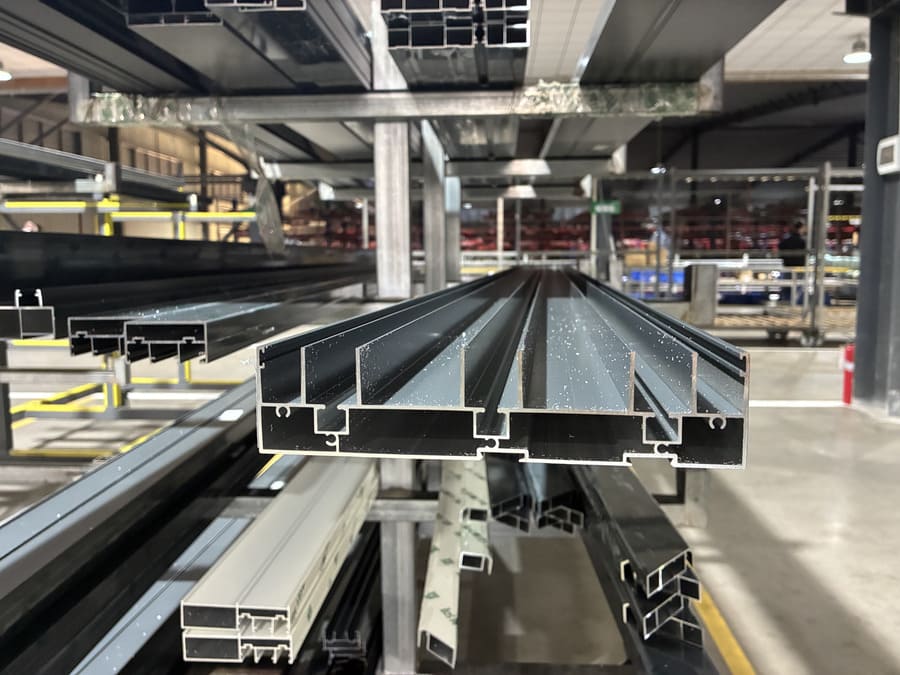
- Aluminum windows: about 15–25 years
- Fiberglass windows: about 30–50 years
These are averages. Your windows may last longer or shorter, based on care and climate.
How long do windows last in different climates?
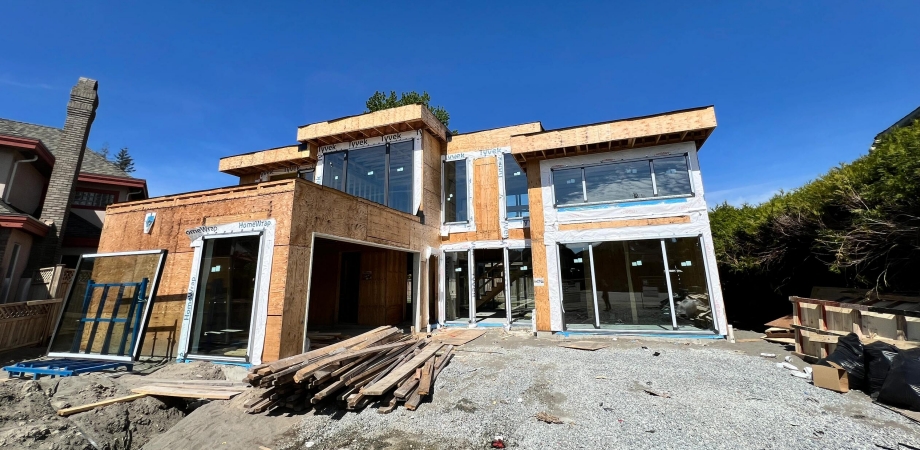
In hot, sunny areas with strong UV rays, seals start to break down sooner, and frames may fade or crack. In extreme climates with big temperature changes, materials expand and contract more, which can stress the window frames and seals.
In coastal areas, salt air can corrode metal parts and hardware. In wet areas, wood windows can rot if they are not regularly maintained. In dry areas, single pane windows can let in more heat and cold, which makes energy efficiency worse. Your local climate plays a big role in how long windows last, and it should guide your choice of new windows or replacement windows.
Installation quality is just as important as materials. A well-installed window has tight seals, level and square frames, and clean flashing to block water seepage. Poor installation can lead to drafty windows, leaks, difficulty opening or closing windows, and further damage to walls or trim.
If you see visible damage after a recent install, speak up quickly. Minor issues are easier to fix early, before they cause bigger problems. Good installers test the window in the open position and closed position, check locks and latches, and make sure the panes and sash move smoothly.
Signs You May Need New Windows
I look for clear signs. Drafts are a big sign. If you feel outside air or uncomfortable drafts when the window is closed, that means air leaks or poor seals.
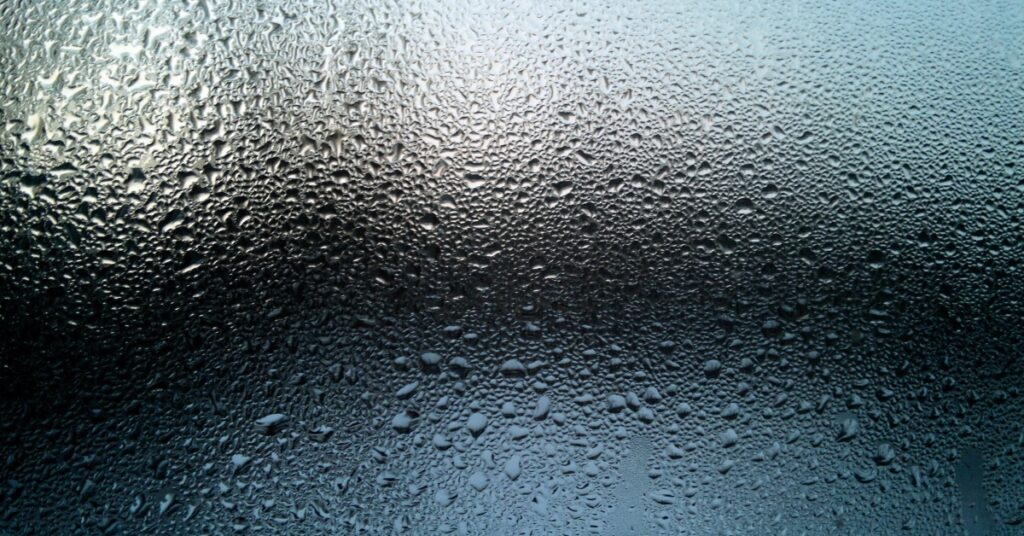
Fog or moisture between panes of double-pane windows is another sign, because it means the insulated glass seal has failed.
Difficulty operating the sash, sticking tracks, or broken hardware tell me the window may be near the end of its life. Rot in wood frames, rust in metal frames, warping, cracks, or any visibly damaged parts are strong signs too.
Broken glass or a damaged window is a safety risk and should be repaired or replaced soon. Stains around the frame, soft drywall, or water seepage suggest leaks.
如果同时出现这些迹象,可能意味着您近期需要更换窗户了。
窗户材料和窗户类型对使用寿命的影响
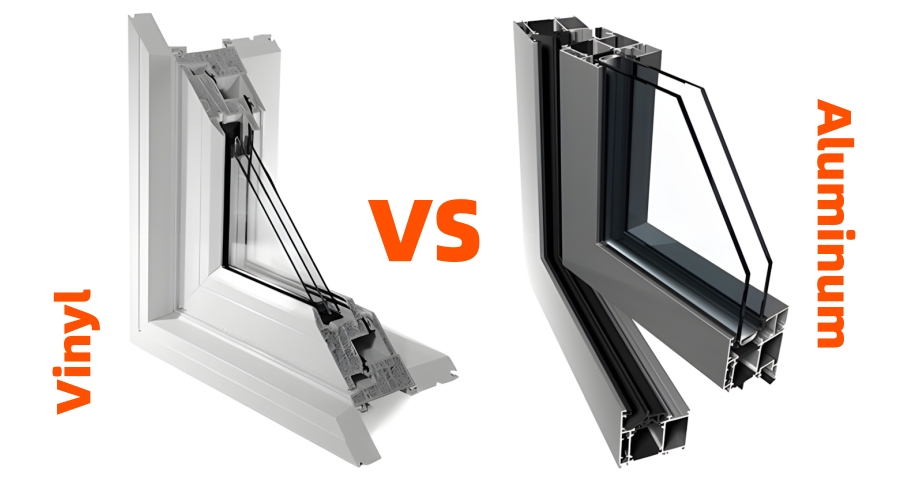
- 塑钢窗因其价格实惠且维护成本低而广受欢迎。它们耐腐蚀,无需油漆。如果玻璃和密封条质量良好,它们还能提供良好的节能效果。如果定期维护且不长期暴露在恶劣天气条件下,平均使用寿命约为20至30年。
- 木窗美观自然,保养得当可以使用很长时间,但需要定期涂漆或密封,并注意防止腐烂。在气候温和的地区,定期维护可以使木窗美观耐用。在潮湿或恶劣的气候条件下,则需要更多保养。木窗的平均使用寿命约为15至30年,如果定期密封和保护窗框,使用寿命会更长。
- 铝合金窗坚固轻薄,因其现代感而备受青睐。但与其他窗框相比,铝合金窗导热导冷性能较差,因此可能需要隔热层来降低能源消耗。在沿海地区,铝合金窗容易发生腐蚀。保养得当的话,铝合金窗的平均使用寿命约为15至25年。
- 玻璃纤维窗非常稳定坚固,能够很好地承受极端温度,并且比木质或乙烯基窗户的膨胀和收缩幅度更小。它们的使用寿命通常最长,可达30至50年,而且如果搭配合适的玻璃,还能提供极佳的节能效果。
能源效率与舒适度
Energy efficiency 很多房主考虑更换窗户的主要原因之一是能源消耗过高。老旧的窗户、单层玻璃窗或密封失效的窗户都会增加能源费用。它们会让室内温度适宜的空气流失,同时也会让冷热空气进入室内。新型的低辐射(Low-E)玻璃窗户通过反射热量并允许光线进入,从而提高隔热性能。暖边隔条和优质密封条可以减少冷凝和空气泄漏。
Modern windows 它还能降低噪音,减少室外噪音,让您的家更显宁静。如果您想提高能源效率,不妨考虑更换为采用低辐射玻璃、配备合适隔条和严密窗框的高品质窗户。
现代玻璃和有助于窗户持久耐用的功能
现代窗户采用的玻璃和部件有助于提升舒适度和延长使用寿命。低辐射玻璃有助于阻挡有害紫外线和热量,同时又能让光线进入。暖边隔条可以减少冷凝,并保持玻璃边缘的温度。一些窗户采用夹层玻璃,可以降低噪音并提高安全性。如果您住在交通繁忙的地区,夹层玻璃有助于降低噪音。您可以选择不同的 window types 根据房间需求而定。
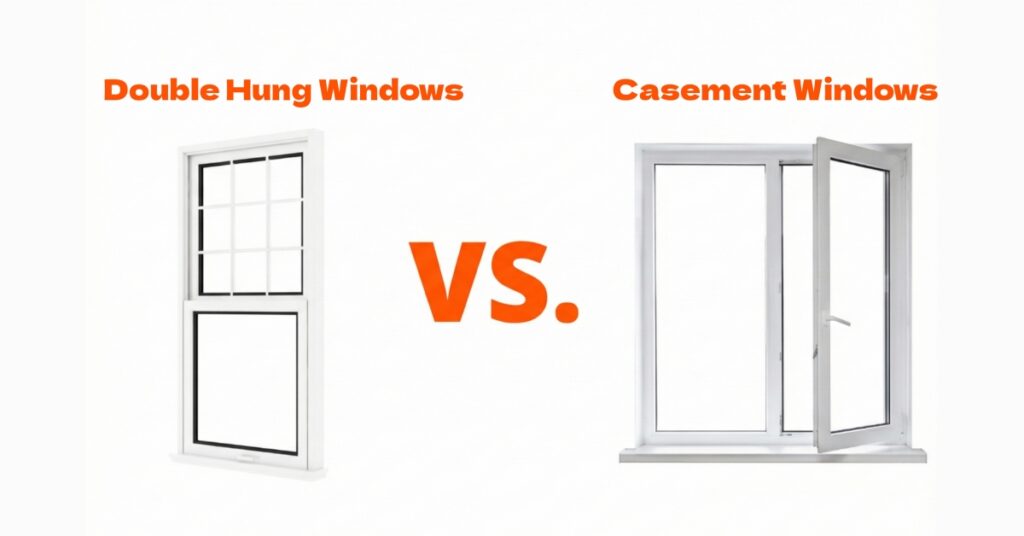
平开窗密封性好,通风良好。双悬窗易于清洁,可从顶部或底部开启。推拉窗视野开阔,滑动顺畅。上悬窗即使在小雨中也能让空气流通。最佳窗户类型取决于您的空间用途和当地气候。
定期维护有助于延长 Windows 的使用寿命
定期维护可延长窗户的使用寿命。每年清洁两次玻璃、轨道和窗框。更换开裂的填缝剂和失效的密封胶。用少量润滑油润滑锁具和铰链,使其运转顺畅。
保持排水孔畅通,以便排水。修剪植物,使其远离框架,以免积水。
如果您家的窗户是木质的,请在漆面老化损坏前重新粉刷或密封。及早解决小问题,避免日后出现更大的维修费用。简单的保养就能延长大多数窗户的使用寿命。
更换还是维修:我的选择
我决定是维修还是更换,主要考虑使用年限、损坏程度、能源效率和成本。如果只是些小问题,比如门闩坏了、填缝剂裂了或者把手松了,维修就足够了。
如果窗户损坏严重,例如玻璃破碎、窗框变形、玻璃间密封失效、渗水或持续漏风,更换通常是更明智的选择。如果窗户接近使用寿命末期且存在多种问题,更换通常是最佳方案。
新窗户密封性更好,能降低噪音,阻挡紫外线,还能降低能源费用。更换窗户还能减少漏水对墙壁、装饰条或地板造成进一步损坏的风险。
一份简单的家庭检查清单
你可以在家使用简单的清单来及早发现问题。在刮风的日子里,将手靠近画框,检查是否有漏风。
如果感觉有室外空气流通,可能存在漏气。检查一下玻璃窗之间是否有雾气。
如果玻璃杯内出现水汽,则可能是密封失效。测试其易用性。
如果窗户开关困难,或者锁具卡住,这可能是磨损的迹象。请检查窗框。
如果木材变软、金属生锈或乙烯基材料开裂,可能就需要更换了。检查框架周围是否有污渍和软点,这可能意味着渗水。还要注意噪音水平。
如果室内交通或街道噪音很大,更换新窗户或许有助于降低噪音。注意能源账单。
如果账单持续上涨,而您的窗户又老旧,那么窗户本身可能就是问题所在。检查一下地毯和家具是否因紫外线照射而褪色。低辐射玻璃有助于减少这种褪色。
如何为您的家选择合适的窗户
- 选择适合您所在气候和护理方式的面料。
- 选择密封性好的、五金件质量好的、玻璃质量可靠的产品。
- 务必确保安装人员技术娴熟且细致认真。
- 要求提供清晰的保修条款。
Conclusion

我写这份指南是为了帮助您,而不是强迫您。我注重语言简洁明了,答案清晰易懂。如果您需要帮助做决定,如果您想知道您所在地区的窗户使用寿命,或者如果您需要更换窗户的建议,我随时为您提供帮助。
我是一名工程师 博斯温多尔 凭借在门窗行业超过25年的经验,我将以冷静、真诚的态度为您提供建议,并始终站在您的角度思考问题。无论是维修、保养还是更换门窗,我们都能共同找到合适的解决方案。您的家很重要,您的舒适很重要,您的预算也很重要。只要您循序渐进,并留意门窗的状况,您的门窗就能为您服务多年。

 English
  German
  Italian
  Korean
  Malayalam
  Indonesian
  Thai
Thai